
Contribute
| Hypersensitivity Pneumonitis - Available Remedies |
Dr. Indrajeet Tyagi and Dr. Iranna Hirapur
11/27/2026
Hypersensitivity Pneumonitis (HP) is an inflammatory lung disease that develops when a person's immune system reacts abnormally to certain substances inhaled from the environment. These substances, known as antigens, may include mold, fungi, bacteria, bird proteins and organic dust. Repeated exposure can cause inflammation in the tiny air sacs (alveoli) and surrounding lung tissue, making breathing increasingly difficult. Unlike an ordinary respiratory infection, a virus or bacteria invading the lungs do not cause hypersensitivity pneumonitis. Instead, it is an immune-mediated reaction to inhaled environmental particles. If recognized early and managed appropriately, further lung injury can often be prevented. However, prolonged exposure may lead to permanent lung scarring, known as pulmonary fibrosis. Effective Remedies and Treatment Options The treatment of hypersensitivity pneumonitis depends on whether the disease is predominantly inflammatory or has progressed to fibrosis. The primary objective is to stop further exposure, control inflammation, preserve lung function and improve quality of life. 1. Identify and Eliminate the Trigger The most important remedy is identifying and avoiding the substance responsible for triggering the immune reaction. Medicines alone may not be effective if the patient continues to inhale the offending antigen. Practical measures include: 2. Medical Treatment to Reduce Lung Inflammation Depending on the severity of the condition, pulmonologists may prescribe medications to control the immune response. Corticosteroids: Prednisone and other corticosteroids may be prescribed when significant active inflammation is present. They can reduce inflammation and improve symptoms in selected patients, particularly those with non-fibrotic disease. However, long-term use may cause osteoporosis, high blood sugar, increased infection risk, weight gain and other complications. They should never be started or stopped without medical supervision. Immunosuppressive medications: Medicines such as mycophenolate mofetil and azathioprine may be considered in selected patients who have persistent inflammation or require steroid-sparing treatment. These medications suppress certain immune responses and require regular monitoring. Antifibrotic medications: When the disease progresses to pulmonary fibrosis, some patients may benefit from nintedanib. This medication slows the decline in lung function in certain patients with progressive fibrosing interstitial lung disease, including progressive fibrotic hypersensitivity pneumonitis. It does not remove existing scar tissue or cure the disease. The choice of treatment depends on lung imaging, pulmonary function, disease progression and individual patient factors. 3. Pulmonary Rehabilitation and Breathing Exercises Pulmonary rehabilitation is an important supportive treatment for patients experiencing breathlessness and reduced physical stamina. It generally includes: These exercises do not eliminate lung inflammation or reverse fibrosis, but they can improve exercise tolerance and everyday functioning. Patients should consult their pulmonologist before beginning an exercise program. 4. Oxygen Therapy In advanced cases, inflammation or fibrosis can interfere with the transfer of oxygen from the lungs into the bloodstream. Patients with persistently low oxygen levels may require supplemental oxygen. Oxygen therapy can: Oxygen should be prescribed based on appropriate testing, rather than used without medical assessment. 5. Nutritional Support for Lung Health A balanced diet supports the immune system, maintains muscle strength and helps patients cope with chronic respiratory illness. Although food cannot cure hypersensitivity pneumonitis, good nutrition is an important part of recovery and long-term care. Some beneficial dietary choices include: Adequate protein intake is particularly important because chronic respiratory disease can contribute to muscle weakness. Patients with poor appetite or weight loss may benefit from consultation with a registered dietitian. Can Hypersensitivity Pneumonitis be reversed? The outcome depends largely on how early the disease is identified and whether lung fibrosis has developed. Regular monitoring by an interstitial lung disease specialist is essential. Prevention Is the Best Protection Hypersensitivity pneumonitis reminds us that the environment in which we live and work can have a significant impact on our respiratory health. Substances that appear harmless, such as bird feathers, household mold, and agricultural dust and contaminated humidifiers can trigger serious immune reactions in susceptible individuals. The most effective approach combines early diagnosis, complete avoidance of the triggering substance, appropriate medical treatment, nutritional support and pulmonary rehabilitation. While traditional practices and healthy lifestyle choices may provide supportive benefits, they cannot replace evidence-based medical care. Protecting our lungs begins with protecting the air we breathe. Identifying environmental triggers early and taking appropriate action can make a meaningful difference in preserving lung health and quality of life.
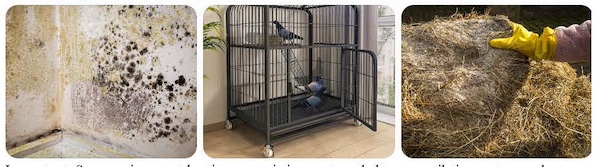
Important: Some environmental antigens remain in carpets, upholstery, ventilation systems and household dust even after the original source is removed. Thorough environmental cleaning may therefore be necessary.


You may also access this article through our web-site http://www.lokvani.com/

