
Contribute
| Cloves: The Tiny Aromatic Bud With Remarkable Chemical And Culinary Properties |
Sunil Kumar D.
11/19/2026
Cloves, known as Lavanga in Ayurveda, are among the most valuable aromatic spices used in Indian kitchens and traditional medicine. Their strong fragrance, warm, slightly sweet flavor and medicinal reputation come from their naturally occurring essential oils and bioactive chemical compounds. Interestingly, the cloves we use in cooking are not fruits or seeds but the dried, unopened flower buds of the clove tree (Syzygium aromaticum), a tropical evergreen belonging to the Myrtaceae family. Why Are Cloves Harvested Before Flowering? Clove flowers are harvested when the buds have reached maturity but before they open into flowers. At this stage, the buds turn from green to pinkish-red and contain a high concentration of aromatic essential oil. Farmers carefully handpick these unopened buds, separate them from their stems and dry them in the sun or under controlled conditions. During drying, they gradually develop their familiar dark-brown color and characteristic shape. Harvesting at this particular stage is important because mature, unopened buds have a particularly desirable concentration and composition of aromatic compounds. Scientific studies have shown that eugenol, the principal chemical responsible for clove's fragrance, reaches high levels in mature pink buds before flowering. Thus, harvesting at the appropriate stage helps retain their valuable aroma and flavor. The remarkable properties of cloves are largely attributed to their essential oil, which may account for approximately 15–20% of the dried bud's weight, depending on the variety and processing conditions. The major chemical constituents include: Together, these compounds give cloves their distinctive flavor, fragrance and biological properties. Importance in Indian Cooking Cloves are an essential ingredient in Indian cuisine, particularly in garam masala, biryani, pulao, curries, vegetable preparations and festive sweets. Their warm, pungent sweetness enhances the aroma and depth of food. When cloves are gently heated in ghee or cooking oil, their volatile aromatic compounds are released, infusing the preparation with their characteristic fragrance. They are also used in masala chai, herbal teas and spiced milk. Whole cloves release their flavor gradually, while freshly ground cloves provide a stronger and more immediate aroma. Since their essential oils are volatile, excessive heating can diminish their delicate aromatic qualities and produce bitterness. Using them in moderation preserves the balance of flavors. Traditional Medicinal Uses and Scientific Evidence In Ayurveda, cloves are traditionally valued for their warming, aromatic and digestive properties. They are used in household preparations for occasional digestive discomfort, coughs, throat irritation and oral discomfort. Modern research has investigated several of their biological activities: 1. Oral and dental health: Eugenol has mild local anesthetic and antiseptic properties and has historically been used in dentistry, particularly in temporary dental preparations for tooth discomfort. However, persistent toothache requires dental evaluation. 2. Antimicrobial properties: Laboratory studies have demonstrated that clove oil can inhibit certain bacteria and fungi. These findings have generated interest in its potential applications in oral care and food preservation. 3. Antioxidant activity: Cloves contain abundant phenolic compounds that help neutralize free radicals in laboratory experiments. These compounds are being studied for their potential role in protecting cells against oxidative damage. 4. Anti-inflammatory potential: Eugenol and other clove constituents have demonstrated anti-inflammatory effects in experimental studies. Researchers are investigating their possible applications in managing inflammatory processes. 5. Digestive comfort: Traditionally, cloves have been used in small quantities in herbal preparations to support digestion and relieve occasional gas and bloating. However, strong clinical evidence establishing their effectiveness for digestive diseases is limited. A Word of Caution Although cloves are safe for most people when used in normal culinary quantities, concentrated clove oil should be handled carefully. Applying diluted oil to the gums or skin can avoid irritation and tissue injury. Swallowing smaller quantities of clove oil is safer particularly in children. Cloves should therefore be enjoyed as a spice and as a Ayurvedic remedy for healing certain ailments. Cloves demonstrate how nature combines fragrance, flavor and complex chemistry in a tiny flower bud. Their careful harvesting before flowering, rich eugenol content and abundance of other bioactive compounds explain their importance in cooking, traditional Ayurveda and modern scientific research. While many medicinal properties remain under investigation, cloves continue to be a valuable example of the relationship between traditional food wisdom and contemporary science.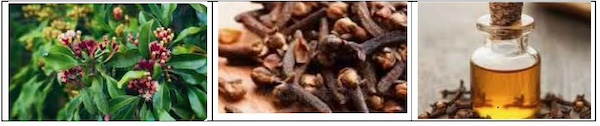
Chemical Composition: What Makes Cloves Special?
You may also access this article through our web-site http://www.lokvani.com/
