Contribute
| MFA Boston Celebrates Diwali With Indian Music, Dance, Art, And Cultural Festivities |
Geetha Patil
11/14/2026
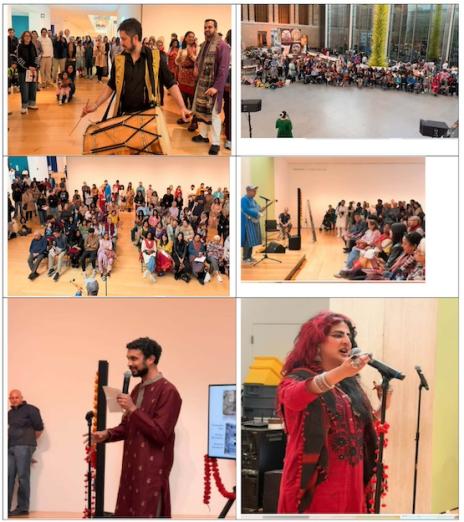
The Museum of Fine Arts (MFA), Boston, celebrated the spirit of Diwali, the Festival of Lights, on Sunday, November 1, 2026, with a colorful program of Indian classical dance, music, storytelling, traditional art, and family-friendly activities. The celebration, scheduled from 10 a.m. to 5 p.m., highlighted the richness of India's cultural heritage while bringing together the traditions of the South Asian community and the broader Greater Boston population. Diwali, celebrated by Hindus, Jains, Sikhs, Buddhists, and other communities in different traditions, symbolizes the victory of light over darkness, knowledge over ignorance, and goodness over evil. The MFA's celebration reflected these universal values through artistic performances, educational activities, and opportunities for cultural exchange. Classical Dance Brings the Ramayana to Life One of the major attractions was "Sita Haran: The Abduction of Sita," presented by the renowned Chhandika Dance Ensemble in the Shapiro Family Courtyard. The presentation brought to life an important episode from the Hindu epic Ramayana, using the expressive movements, rhythmic footwork, graceful gestures, and dramatic storytelling characteristic of Kathak, the classical dance tradition of northern India. Two performances were scheduled during the day, offering visitors an opportunity to appreciate the artistic beauty and emotional depth of Indian classical dance. Indian Music and Contemporary Cultural Expressions Music was another important part of the celebration. Berklee India Exchange presented Bhaangover, an innovative musical group blending Indian classical melodies, regional folk traditions, and contemporary musical influences. The fusion of traditional and modern music demonstrated how Indian musical heritage continues to evolve while maintaining its cultural roots. Another highlight was "The Sounds of SubDrift," presented by Subcontinental Drift Boston, a creative community of South Asian artists. The program featured poetry, music, dance, and storytelling, followed by a traditional baraat, or celebratory procession, leading to further performances in the Shapiro Family Courtyard. The combination of classical and contemporary artistic expressions reflected the diversity and creativity of Boston's South Asian community. Children's Activities and Traditional Indian Art The MFA placed special emphasis on engaging children and families through hands-on cultural activities. Children were invited to make and decorate beeswax candles, symbolizing the light and hope associated with Diwali. Another activity introduced shadow puppetry inspired by the Ramayana, encouraging young participants to explore India's ancient storytelling traditions through creativity. Traditional Rangoli designs were also featured. Pallavi Eswara, founder of Kona Arts, Crafts, and Education, led activities introducing visitors to the intricate patterns and colorful decorations traditionally created during Indian festivals. These activities offered families an opportunity to learn about Diwali traditions while encouraging children to appreciate India's artistic heritage. Storytelling, Art, and Educational Programs Award-winning children's author and physician Rajani LaRocca was featured in the festival program with a reading from her book We Are the Light: A Story of Diwali. She was also scheduled to lead a discussion exploring truth, justice, wisdom, and the influence of the Ramayana on contemporary storytelling. The museum offered special gallery tours highlighting South Asian artworks associated with Hindu mythology, cultural traditions, and historical artistic expression. Among the featured subjects were Goddess Durga as Mahishasura Mardini and paintings depicting episodes from the Ramayana. Laura Weinstein, the MFA's Ananda Coomaraswamy Curator of South Asian and Islamic Art, was scheduled to present a special talk examining paintings of the final battle in the Ramayana. Another educational presentation featured Rahul Koonathara, a 12th-generation practitioner of Kerala's traditional Tholpavakoothu shadow puppetry, explaining how this ancient temple art brings the Ramayana to life. Community Participation and Cultural Unity The celebration also provided a platform for community organizations to connect with visitors and introduce their work. Participating organizations included Color of India, Asian Task Force Against Domestic Violence, Friends of Indian Senior Citizens Organization, and Saheli Boston. Their participation reflected the important contributions of Indian American and South Asian organizations to community welfare, cultural preservation, and social support throughout Massachusetts. The museum's free admission for visitors aged 18 and younger helped make the celebration accessible to families and younger generations. Audience Appreciation and Cultural Impact The variety of performances, interactive activities, and educational presentations gave visitors opportunities to experience Diwali beyond its familiar association with lamps and sweets. For Indian American families, the celebration offered a meaningful way to introduce children to their cultural roots. For visitors from other backgrounds, the festival provided an opportunity to discover India's classical arts, mythology, music, and traditions. The participation of local artists, musicians, educators, and community organizations highlighted the importance of sharing cultural heritage across generations. The program's emphasis on children was particularly significant, as candle making, Rangoli, storytelling, and puppetry transformed traditional cultural knowledge into engaging learning experiences. The celebration also demonstrated how museums can become welcoming spaces where different communities connect through the universal language of art. A Celebration of Light and Togetherness Indian desserts, including traditional kulfi offered by Boston-based Matki Kulfi Creamery, and special dining selections added a festive culinary dimension to the day's activities. By bringing Indian classical traditions together with contemporary performances and community engagement, the Museum of Fine Arts continued its commitment to celebrating cultural diversity. The Diwali program served as a reminder that festivals are not only occasions for celebration but also opportunities to strengthen friendships, preserve traditions, and promote mutual understanding. The true spirit of Diwali lies in spreading light, happiness, knowledge, and compassion. Through art, music, dance, and community participation, the MFA's celebration carried this message beyond cultural boundaries, reflecting the richness of Indian heritage in the heart of Boston. The Diwali celebration at the Museum of Fine Arts, Boston, received warm appreciation from visitors who enjoyed the colorful cultural performances, traditional Indian art, music, and family-friendly activities. Sunil Kumar, who was visiting Boston for the first time from India, expressed his happiness at attending the celebration. He particularly appreciated seeing Indian cultural traditions being celebrated in such a prestigious American museum. The program made his first visit to Boston especially memorable. Savita, a resident of Roxbury, who attended with her children, also expressed her delight with the celebration. She and her children thoroughly enjoyed the program and appreciated the opportunity to experience Indian culture through music, dance, storytelling, and creative activities. Their enthusiastic responses reflected the spirit of the celebration, which brought together visitors of different ages and backgrounds. The event not only showcased India's rich cultural heritage but also created joyful memories for families and visitors. The appreciation expressed by Sunil Kumar, Savita, and her children highlighted the success of the MFA's Diwali celebration in spreading happiness, cultural understanding, and the universal message of light and togetherness.Audience Appreciation and Reactions
You may also access this article through our web-site http://www.lokvani.com/