
Contribute
| Ayurvedic Remedies For Acute Bronchitis |
Dr Indrajeet Tyagi and Dr. Iranna Hirapur
10/16/2026
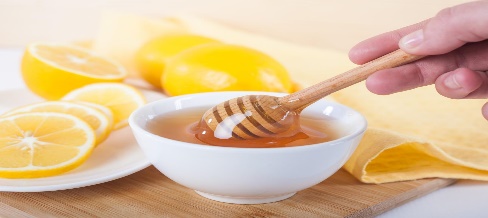
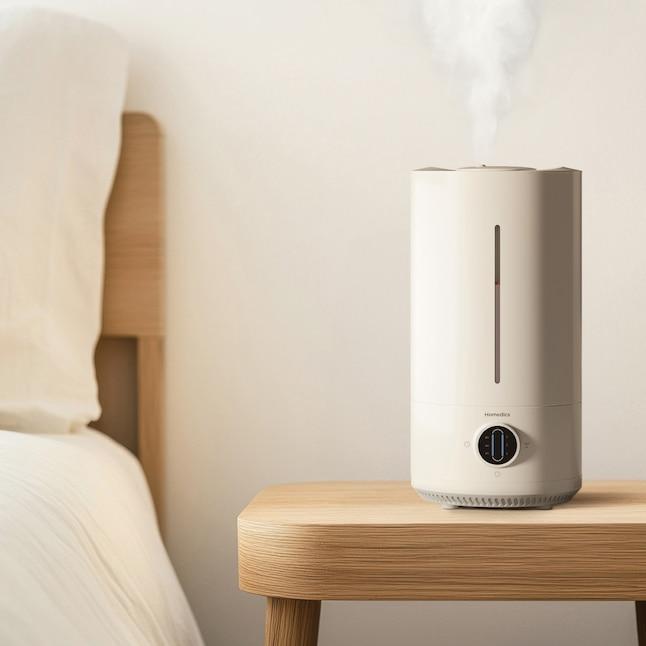
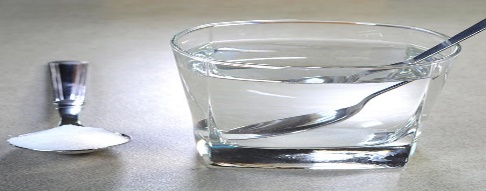
Acute bronchitis is an inflammation of the bronchial tubes that carry air into the lungs. It commonly develops after a viral respiratory infection and may cause persistent coughing, mucus production, chest discomfort, sore throat, fatigue, and sometimes, mild fever. Although the cough can last for two to three weeks, most uncomplicated cases improve with supportive care. Traditional home care, supportive remedies, and modern medical precautions In Ayurveda, symptoms resembling acute bronchitis may be understood through the concepts of Kasa (cough) and Kapha imbalance, sometimes accompanied by Vata disturbances. Traditional Ayurvedic care emphasizes soothing the respiratory tract, maintaining hydration, supporting rest, and avoiding irritants. These approaches may help relieve symptoms, but they have not been shown to cure acute bronchitis or reliably shorten its duration. 1. Ayurvedic home remedies . Ginger tea (Adrak) Ginger is traditionally used to soothe the throat and provide comfort during a cough. Simmer a few thin slices of fresh ginger in water for 5–10 minutes, allow it to cool slightly, and sip while warm. Add a little honey if desired. Ginger tea is a soothing beverage, although clinical evidence that it treats acute bronchitis is limited. Honey for cough relief (Madhu) One to two teaspoons of honey, taken alone or mixed into warm water, may help calm a cough, particularly at night. Honey has some evidence for relieving acute cough symptoms, though it does not eliminate the underlying infection. Never give honey to children younger than one year. . Tulsi (Ocimum sanctum) tea Tulsi holds an important place in Ayurvedic respiratory care. A few clean leaves can be steeped in hot water to make a mild herbal infusion. The warm drink may soothe throat irritation and help maintain fluid intake. However, strong clinical evidence for Tulsi as a treatment for acute bronchitis is lacking. Warm fluids and nourishing foods Warm water, light soups, and other comfortable-temperature fluids can soothe an irritated throat and help prevent dehydration. Eat balanced meals with vegetables, lentils, and other protein-rich foods as tolerated. There is no strong evidence that avoiding all cold foods or specific fruits speeds recovery; choose foods according to comfort and individual tolerance. . Humidified air A clean cool-mist humidifier may ease throat dryness and irritation. Keep it clean according to the manufacturer's instructions. Avoid leaning over boiling water or a pot of hot steam, which can cause serious burns. Warm salt-water gargling Gargling with warm salt water may soothe a sore or scratchy throat. It will not treat inflammation deep in the bronchial tubes, but it can provide comfort when throat irritation accompanies coughing. 2. Ayurvedic herbs and formulations: use caution Ayurvedic practitioners may recommend preparations containing Vasaka (Adhatoda vasica), Yashtimadhu (licorice), Pippali (long pepper), or Sitopaladi churna for cough-related symptoms. However, reliable clinical evidence supporting these products specifically for acute bronchitis is limited. Consult a qualified healthcare professional before taking concentrated herbal preparations, particularly if you take regular medicines or have heart, kidney, or blood-pressure problems. Avoid products that contain undisclosed ingredients or unverified heavy-metal content. 3. Daily habits that support recovery 4. When should you seek medical attention? Seek urgent medical care for difficulty breathing, severe or persistent chest pain, confusion, or bluish lips. Contact a healthcare professional promptly for bloody mucus, persistent or high fever, worsening symptoms, or a cough lasting more than three weeks. Older adults and people with underlying lung or heart conditions may need earlier evaluation. Important: Home remedies should complement, not replace, medical evaluation when needed. Symptoms of pneumonia, asthma, influenza, and COVID-19 can resemble acute bronchitis.



You may also access this article through our web-site http://www.lokvani.com/
