
Contribute
| Dates (Khajur)- Nutritional Value And Health Benefits |
Madhumati Tyagi
10/16/2026
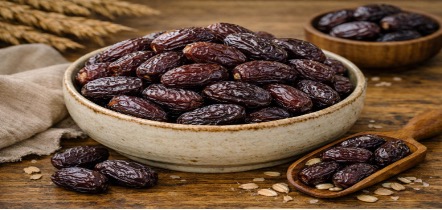
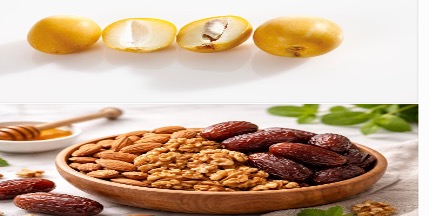
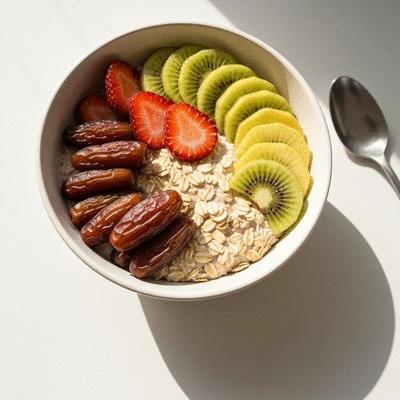
Dates (Phoenix dactylifera) are sweet, nutrient-rich fruits that have been valued in traditional Indian, Middle Eastern, and Ayurvedic food practices for centuries. They provide natural sugars, dietary fiber, potassium, copper, and other nutrients. Dates can be a healthy addition to a balanced diet when eaten in moderate quantities. What are major health benefits of dates Provide quick energy Dates contain natural sugars, mainly glucose and fructose that provide readily available energy. They can be a convenient snack before physical activity or when you need a quick energy boost. Support digestive health Dates provide dietary fiber, which helps support regular bowel movements and healthy digestion. Eating them with sufficient water may help prevent constipation. Contribute to heart health Dates contain potassium, which supports normal muscle function and blood-pressure regulation. Their fiber and plant compounds can contribute to a healthy dietary pattern, although dates alone are not a treatment for high blood pressure or heart disease. Support bone health Dates contain small amounts of minerals such as magnesium, copper, and manganese, which participate in normal bone and tissue functions. They should complement, rather than replace, calcium-rich foods and adequate vitamin D. Supply antioxidant compounds Dates contain polyphenols and other plant compounds that have antioxidant activity. Laboratory studies suggest these compounds may help counter oxidative stress, but their presence does not establish that eating dates prevents or treats specific diseases. Help make a satisfying snack Fiber and the natural sweetness of dates can make them a satisfying alternative to some highly processed sweets. Pairing a date with nuts or plain yogurt adds protein or healthy fats and may help moderate the rise in blood glucose compared with eating dates alone. Describe nutritional value of dates (Approximate values per 100 grams of dried dates): Nutrient Amount Nutrient Amount Calories 277 kcal Protein 1.8 g Carbohydrates 75 g Potassium 696 mg Natural sugars 66 g Magnesium 54 mg Dietary fiber 6.7 g Copper 0.36 mg Values vary by date variety and moisture content. A 100-gram serving is a relatively large portion, so most people do not need to eat that much at once. How many dates should you eat daily? 4. Dates in Ayurveda In traditional Ayurvedic food practices, dates are often regarded as nourishing and strengthening. They are commonly used in preparations intended to support energy and general nourishment. Their sweet taste and substantial energy content make them useful in some traditional recipes. However, individual tolerance varies, and traditional classifications should not be interpreted as proof that dates cure anemia, bronchitis, or other illnesses. 5. Healthy ways to eat dates A useful tip: Dates contain some iron, but they are not an especially rich or reliable treatment for iron-deficiency anemia. If you have persistent fatigue or suspected anemia, a blood test and medical assessment are more appropriate than relying on dates alone.




You may also access this article through our web-site http://www.lokvani.com/