
Contribute
| Beetroot Juice - Uses And Health Benefits |
Madhumati Tyagi
10/09/2026
Beetroot juice is a nutrient-rich drink made from beets, naturally high in nitrates, folate, potassium, and antioxidant compounds called betalains. It can be included as part of a balanced diet and has several potential health benefits. Fresh Beetroot Juice Preparation Ingredients Preparation For a milder morning drink, blend beetroot + carrot + a small piece of ginger + lemon. Avoid adding sugar; the natural sweetness of carrot or apple is usually sufficient. Tip: Start with about ½ cup if you are not accustomed to beetroot juice, and increase according to your tolerance. 1. May Support Heart Health The natural nitrates in beetroot can be converted in the body to nitric oxide, which helps relax and widen blood vessels. This may improve blood flow and can produce a modest reduction in blood pressure in some people. 2. May Improve Exercise Performance Beetroot juice is popular among athletes because dietary nitrates may improve the efficiency of oxygen use during exercise. Some studies suggest it can help with endurance and exercise tolerance, particularly during activities such as running and cycling. 3. Supports Healthy Blood Flow to the Brain Improved blood flow may also benefit the brain. Research suggests that increased nitric-oxide availability from nitrate-rich foods may support circulation, although beetroot juice should not be considered a treatment for cognitive disease. 4. Provides Folate and Other Nutrients Beets provide folate (vitamin B9), potassium, manganese and vitamin C, along with plant compounds that contribute to overall nutritional health. However, beetroot juice is not a substitute for iron treatment if someone has iron-deficiency anemia. 5. Rich in Antioxidants The deep red-purple color of beets comes largely from betalains, antioxidant compounds that help protect cells from oxidative stress. A diet rich in colorful vegetables provides a variety of protective plant compounds. 6. May Support Digestive Health Whole beets contain considerably more fiber than beet juice. Therefore, if digestive health and regular bowel movements are the goal, eating cooked or raw beetroot may be more beneficial than drinking only the juice. How Much? There is no universally established daily dose for general health. A small serving, such as 4–8 oz (120–240 mL), is a reasonable dietary amount for many healthy adults. If you are new to beetroot juice, start with a smaller quantity. Tip: Beetroot juice can temporarily turn urine or stool pink/red (beeturia). This is generally harmless. A Few Precautions Bottom line: Beetroot juice can be a useful addition to a healthy diet, especially for supporting circulation and exercise performance. For everyday nutrition, however, whole beetroot offers the additional benefit of fiber.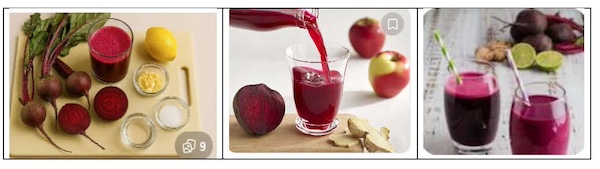
Simple Ayurvedic-style combination
You may also access this article through our web-site http://www.lokvani.com/
