
Contribute
| Mangala Gauri Puja During Shravana Masa- A Celebration Of Faith, Family And Feminine Strength |
Pandit Bharani
08/20/2026
Shravana Masa is one of the most sacred months in the Hindu calendar, filled with prayers, fasting, temple visits and devotional celebrations. Among its many observances, Mangala Gauri Puja, traditionally performed on Tuesdays, holds a special place among married women. Dedicated to Goddess Gauri, the loving and powerful form of Goddess Parvati, the puja is traditionally performed for the well-being and longevity of the husband, marital happiness, family harmony and prosperity. The Significance of Goddess Gauri Goddess Parvati represents Shakti—the divine feminine power and embodies strength, devotion, patience, wisdom and compassion. Her union with Lord Shiva symbolizes the balance of consciousness and energy. For this reason, Mangala Gauri Puja is more than a prayer for material prosperity. It is an opportunity to seek strength within oneself, harmony in marriage and peace in the family. Traditionally, married women pray for their husband's health and longevity and for Akhanda Saubhagya—continued marital happiness. However, the deeper message is universal: May our family remain healthy, united and strong enough to face life's challenges together. The Logic Behind the Vrat A Vratam is a sacred resolve involving discipline and devotion. Mangala Gauri Vrat therefore goes beyond fasting or following a set of rituals. It encourages self-discipline, gratitude, prayer and mindful living. The traditional puja articles also carry symbolic meaning. Turmeric represents purity and auspiciousness, Kumkum represents Shakti and marital auspiciousness, flowers express devotion, and the Diya symbolizes the light of knowledge overcoming darkness. There is also a practical wisdom in setting aside time for prayer. Modern women often balance careers, household responsibilities, children and family commitments. The puja provides a quiet moment to pause, reflect, express gratitude and strengthen one's inner peace. A Vedic Message for Married Life The ancient Vedic tradition emphasizes unity and harmony: “संगच्छध्वं संवदध्वं सं वो मनांसि जानताम्।” “May we move together, may we speak together, may our minds be united.” This message is particularly meaningful for marriage. A strong relationship cannot be sustained by rituals alone. It requires communication, mutual respect, patience, forgiveness and shared responsibility. Thus, praying for a husband's well-being can also mean caring for him, listening to him, supporting him and standing beside him during difficult times. A Tradition That Connects Generations Mangala Gauri Puja has traditionally brought mothers, daughters, daughters-in-law, sisters and friends together. Women gather to perform the puja, exchange turmeric and Kumkum, sing devotional songs and share prasadam. Elders teach younger women the prayers, customs and stories associated with Gauri. In this way, the puja becomes more than worship—it becomes a living connection between generations. For Indian families living abroad, this tradition can have an especially emotional meaning. The fragrance of flowers and turmeric, the glow of a Diya and the familiar sound of Sanskrit prayers can bring memories of mothers and grandmothers and recreate a small piece of home thousands of miles away. Beyond the Traditional Prayer Traditionally, women pray specifically for their husbands' longevity and family prosperity. In today's context, the spirit of the puja can embrace the health, happiness and well-being of both partners and the entire family. The greatest offering to Goddess Gauri is not only what we place before her, but what we practice in our homes: a kind word, helping a tired spouse, respecting differences, caring for elders, nurturing children and forgiving one another. These simple acts bring the values of the puja into everyday life. Keeping the Spirit Alive Traditions remain meaningful when we understand their deeper purpose. Mangala Gauri teaches faith, discipline, gratitude, feminine strength and the importance of nurturing relationships. Families can preserve the ritual even when living far from India, adapting customs to their circumstances while retaining its spiritual essence. As the Diya shines before Goddess Gauri, it reminds us that every home needs a similar light—the light of love, understanding, patience and faith. The universal prayer beautifully captures the spirit of this observance: “सर्वे भवन्तु सुखिनः, सर्वे सन्तु निरामयाः।” “May everyone be happy. May everyone be free from illness.” That is perhaps the enduring message of Mangala Gauri: a prayer that begins with one woman, embraces her family and ultimately wishes well-being for all. 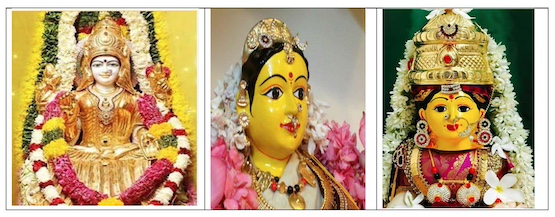
You may also access this article through our web-site http://www.lokvani.com/
