
Contribute
| Varalakshmi Vratam- Inviting Divine Grace During The Sacred Shravan Shukravaram |
Pandit Bharani
08/20/2026
As the holy month of Shravan (Shravana Masa) unfolds, temples and homes across India and the world come alive with the fragrance of flowers, the glow of lamps, and the melodious chanting of Vedic hymns. While Mondays during Shravan are dedicated to Lord Shiva, the Fridays—known as Shravan Shukravaram—hold a special place for the worship of Goddess Mahalakshmi, the embodiment of wealth, prosperity, compassion, and auspiciousness. Among these Fridays, Varalakshmi Vratam stands as one of the most sacred and widely observed festivals, especially among Hindu women, who pray for the well-being of their families and the welfare of society. Varamahalakshmi Vratam in 2026 is observed on the second Friday of Shukla Paksha in the Shravana month, coinciding with Shravana Purnima. Morning Puja Muhurat (New Delhi Timings) Simha Lagna: 05:57 AM to 07:29 AM, Duration: 1 hour 32 minutes. Alternative Puja Timings: Vrishchika Lagna (Afternoon): 12:05 PM to 02:23 PM, Kumbha Lagna (Evening): 06:09 PM to 07:37 PM, Vrishabha Lagna (Midnight): 10:37 PM to 12:33 AM (Aug 29). The word "Varalakshmi" is derived from two Sanskrit words: Vara, meaning "boon," and Lakshmi, the Goddess who bestows prosperity. Thus, Varalakshmi is the Divine Mother who grants the heartfelt wishes of sincere devotees. The observance of this Vratam is rooted in the Skanda Purana, where Lord Shiva narrates its significance to Goddess Parvati. It is believed that a devoted woman named Charumathi, living in the ancient city of Kundina, was instructed by Goddess Lakshmi in a dream to perform this sacred Vratam. Upon observing it with devotion, Charumathi and her community were blessed with abundance, happiness, and spiritual fulfillment. Since then, millions of devotees have continued this timeless tradition with unwavering faith. The Vedas proclaim that prosperity is much more than material wealth. It encompasses good health, righteous living, wisdom, harmony, and inner peace. The Sri Sukta, one of the most revered Vedic hymns dedicated to Goddess Lakshmi, beautifully declares: "Hiranyavarnam Harinim Suvarna Rajatasrajam..." The hymn invokes the radiant Goddess who blesses humanity with prosperity, purity, courage, nourishment, and divine grace. It reminds devotees that true wealth is that which uplifts both the individual and society. Another profound Vedic prayer says: "Sarve Bhavantu Sukhinah, Sarve Santu Niramayah." "May all beings be happy. May all be free from illness." This universal prayer perfectly reflects the spirit of Varalakshmi Vratam. The Vratam is not performed merely for personal gain but for the welfare of the entire family, community, and the world. It encourages devotees to cultivate gratitude, generosity, compassion, and selfless service. The rituals of Varalakshmi Vratam are deeply symbolic. The decorated Kalasham (sacred pot) represents the divine presence of Goddess Lakshmi. Filled with water, adorned with mango leaves and a coconut, and decorated with flowers, turmeric, and Kumkum, it signifies the abundance of nature and the fullness of life. The worship is accompanied by the chanting of Lakshmi Ashtottara Shatanamavali, Sri Sukta, Lakshmi Sahasranama, and devotional bhajans. Married women tie the sacred Varalakshmi thread (Toram) around their wrists, symbolizing their prayer for divine protection, family harmony, and lasting prosperity. According to Hindu tradition, Goddess Lakshmi manifests in Ashta Lakshmi, the eight divine forms that bless humanity with every aspect of a fulfilling life. These include Adi Lakshmi (the primordial source of spiritual wealth), Dhana Lakshmi (material prosperity), Dhanya Lakshmi (abundance of food and nourishment), Gaja Lakshmi (royalty and dignity), Santana Lakshmi (healthy progeny), Veera Lakshmi (courage and strength), Vijaya Lakshmi (success in righteous endeavors), and Vidya Lakshmi (knowledge and wisdom). Together, these forms remind devotees that prosperity is holistic, encompassing spiritual growth, moral values, education, health, and meaningful relationships. For Indian families living abroad, festivals like Varalakshmi Vratam hold even deeper significance. They become occasions to reconnect with cultural roots and pass cherished traditions to younger generations. Temples across North America witness families gathering in colorful traditional attire, offering flowers and fruits, singing devotional hymns, and sharing prasadam. Children observe these rituals, learning not only the significance of the festival but also the timeless values of respect for elders, devotion to God, gratitude, and community service. Such celebrations strengthen cultural identity while fostering unity among diverse communities. The observance of Varalakshmi Vratam also offers valuable lessons for modern life. In an age marked by stress, uncertainty, and material pursuits, the festival reminds us that real prosperity is measured not merely by possessions but by contentment, integrity, healthy relationships, and inner peace. The vrata encourages discipline through fasting, mindfulness through prayer, generosity through charity, and humility through devotion. It teaches that wealth becomes meaningful only when it is earned ethically and shared compassionately. The Bhagavad Gita (3.13) beautifully echoes this spirit: "Yajna-shishtashinah santo muchyante sarva-kilbishaih." This timeless message inspires devotees to view every blessing as a gift from the Divine and to share it with others in a spirit of gratitude and service. As devotees bow before Goddess Varalakshmi during the sacred Shravan Shukravaram, they seek not only financial prosperity but also wisdom to use their blessings for the greater good. The festival is a celebration of faith, family, culture, and compassion. It reminds humanity that when devotion is combined with righteous action and selfless service, divine grace naturally follows. May Goddess Sri Varalakshmi shower her choicest blessings upon every home with health, harmony, happiness, prosperity, and spiritual enlightenment. May her divine grace guide us toward lives filled with compassion, gratitude, and unwavering faith, making every home a temple of peace and every heart a seat of divine abundance.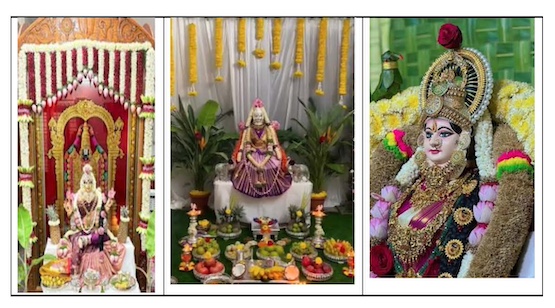
"Those who partake of what remains after offering to the Divine are freed from all impurities."
You may also access this article through our web-site http://www.lokvani.com/
