
Contribute
| Lung Tissue Damage: Common Causes, Warning Signs, Effects On The Body And Treatment |
Dr. Indrajeet Tyagi and Dr. Iranna Hirapur
08/20/2026
The lungs work continuously, bringing oxygen into the body and removing carbon dioxide. Every breath depends on the health of millions of tiny air sacs called alveoli, the airways that carry air into the lungs, and the delicate tissue surrounding them. When these structures are repeatedly injured by smoke, pollution, infections, harmful occupational exposures or certain diseases, lung tissue can become inflamed, weakened or scarred. Lung tissue damage is not a disease by itself. It can occur as a result of conditions such as chronic obstructive pulmonary disease (COPD), emphysema, pulmonary fibrosis, severe infections, occupational lung diseases and some autoimmune disorders. Depending on its cause and severity, the damage may be partly reversible—or it may become permanent. What are the Common Causes of Lung Tissue Damage? Smoking Cigarette smoking remains one of the leading preventable causes of lung damage. Tobacco smoke irritates the airways and damages the tiny air sacs where oxygen enters the bloodstream. Long-term exposure can destroy the walls between air sacs, cause chronic inflammation and increase mucus production. These changes are characteristic of COPD and emphysema. The good news is that quitting smoking benefits the lungs at any age. Evidence summarized by the Centers for Disease Control and Prevention shows that smoking cessation slows the progression of COPD and reduces respiratory symptoms and infections. Secondhand smoke is also harmful and can contribute to respiratory problems. Avoiding both active and passive tobacco smoke is therefore an important part of lung protection. Air pollution and environmental exposures Outdoor air pollution, fine particulate matter, wildfire smoke and other airborne irritants can cause inflammation of the respiratory system. Indoor pollution can also be important, particularly where wood, coal or other solid fuels are burned without adequate ventilation. People who work around dust, chemical fumes, silica, asbestos or other hazardous materials may also develop occupational lung disease. Asbestos exposure, for example, can cause pulmonary fibrosis and serious respiratory complications. Infections Pneumonia, tuberculosis and other serious respiratory infections can injure lung tissue. In some people, severe or repeated infections may leave areas of scarring or permanent structural damage. Pulmonary fibrosis and interstitial lung disease Pulmonary fibrosis occurs when lung tissue becomes thickened and scarred. The scar tissue makes the lungs stiffer and interferes with the movement of oxygen from the alveoli into the bloodstream. Causes may include autoimmune diseases, occupational exposures, certain medications, radiation and infections. In some patients, however, no definite cause can be identified. Major Signs and Symptoms Symptoms vary according to the underlying disease and the amount of lung damage. Some people have very few symptoms during the early stages. Common warning signs include: · Persistent or worsening cough · Shortness of breath, especially during physical activity · Wheezing · Chest tightness or discomfort · Increased mucus or phlegm · Reduced exercise tolerance · Unusual tiredness · Repeated respiratory infections · Unexplained weight loss · Coughing up blood In COPD, common symptoms include chronic cough, mucus production, wheezing and breathlessness. Symptoms often become more noticeable as the disease progresses. Breathlessness should not simply be dismissed as a normal part of aging. Persistent symptoms deserve medical evaluation because several different lung and heart conditions can produce similar complaints. Coughing up blood, severe or rapidly worsening breathlessness, chest pain, confusion or bluish discoloration of the lips or face require urgent medical attention. How Lung Damage Affects the Body? Lung damage can have consequences far beyond breathing. · Reduced oxygen supply: Healthy lungs transfer oxygen from the alveoli into the bloodstream. When lung tissue is severely damaged or scarred, this process becomes less efficient. Affected individuals may experience fatigue, weakness, breathlessness and reduced ability to exercise. · Difficulty removing carbon dioxide: Advanced lung disease can also interfere with the removal of carbon dioxide. Significant abnormalities can lead to headaches, confusion, drowsiness and other serious symptoms. · Reduced physical activity: Breathlessness can make ordinary activities such as walking, climbing stairs or shopping difficult. People may gradually become less active, leading to muscle weakness and loss of physical fitness. This can create a cycle in which reduced activity makes breathlessness and exercise intolerance worse. · Effects on the heart: Severe chronic lung disease can place additional stress on the cardiovascular system. Persistent abnormalities in oxygen levels and blood vessels within the lungs may contribute to pulmonary hypertension and strain on the heart. · Greater risk from respiratory infections: People with chronic lung disease may be more vulnerable to respiratory infections and may experience more severe symptoms when infections occur. Infections can also trigger sudden worsening, or exacerbations, of chronic lung disease. The American Thoracic Society notes that respiratory infections and environmental irritants are common triggers of COPD exacerbations. Diagnosis: Finding the Cause Early: Doctors generally begin with a medical history and physical examination. Information about smoking, secondhand smoke, workplace exposures, medications, previous infections and the duration of symptoms can provide important clues. Spirometry is a commonly used lung-function test, particularly when COPD is suspected. It measures how much air a person can breathe out and how quickly it can be expelled. Depending on the suspected condition, doctors may also recommend a chest X-ray, CT scan, oxygen measurement, blood tests or other specialized investigations. In some cases, bronchoscopy or lung biopsy may be necessary. Early diagnosis can be important because treating the underlying cause may prevent additional lung damage. Treatment that are Protecting the Lung Function? Treatment depends entirely on the underlying cause. Established structural damage such as emphysema or advanced fibrosis may not be completely reversible, but appropriate treatment can often reduce symptoms, prevent complications and slow further deterioration. Listen to Your Lungs Lung tissue can sustain considerable injury before symptoms become obvious. That is why prevention and early evaluation are so important. Smoking cessation, avoiding harmful exposures, maintaining physical activity, preventing infections and seeking medical attention when symptoms persist can help protect lung function. Modern treatments cannot reverse every form of established lung damage, but early diagnosis can provide an opportunity to treat the underlying disease and preserve the lung capacity that remains. Healthy lungs support every organ in the body. Protecting them is not only about breathing better—it is about maintaining mobility, independence, energy and quality of life.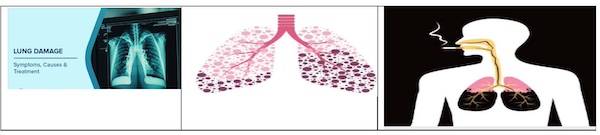
You may also access this article through our web-site http://www.lokvani.com/
