
Contribute
| Understanding Bronchitis_ A Doctor Answers Your Frequently Asked Questions |
Dr. Indrajeet Tyagi and Dr. Iranna Hirapur
08/06/2026
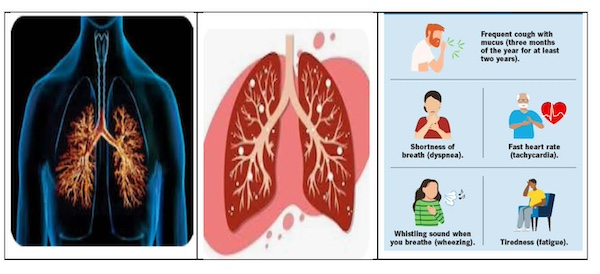
Respiratory infections become more common during the cold and flu season, and one illness that often worries patients is bronchitis. Many people wonder whether bronchitis is contagious, whether antibiotics are necessary, and when they should seek medical attention. Here are answers to some of the most common questions. What exactly is bronchitis? Bronchitis is inflammation of the bronchial tubes—the air passages that carry air to and from the lungs. When these airways become inflamed, they produce excess mucus, leading to persistent coughing. Most cases are acute and develop after a viral infection such as the common cold, influenza, COVID-19, or RSV. Chronic bronchitis, on the other hand, is a long-term condition and one of the major forms of Chronic Obstructive Pulmonary Disease (COPD). Is bronchitis contagious? Bronchitis itself is not contagious. However, the viruses that commonly cause acute bronchitis are highly contagious and spread through coughing, sneezing, close contact, or contaminated hands. Good hand hygiene, covering your mouth while coughing, and staying home when you are ill can significantly reduce the spread of infection. How can I tell whether my cough is just a cold or bronchitis? A common cold usually causes a runny nose, sore throat, and mild cough that improves within a week. Bronchitis often causes a deeper, more persistent cough that may produce mucus and last for several weeks. Wheezing, chest discomfort, and fatigue are also common. Does coughing up green or yellow mucus mean I need antibiotics? Not necessarily. The color of mucus alone does not indicate a bacterial infection. Viral infections can also produce yellow or green mucus. Antibiotics should only be prescribed when your healthcare provider determines there is evidence of a bacterial infection or another condition requiring antibiotic treatment. When should I see a doctor? Seek medical attention if: Early medical evaluation can help prevent complications. Can bronchitis turn into pneumonia? Most people recover completely from acute bronchitis without developing pneumonia. However, older adults, young children, smokers, and people with chronic lung disease or weakened immunity have a higher risk. High fever, worsening breathlessness, chest pain, confusion, or persistent fatigue should prompt immediate medical evaluation. Why does the cough last so long even after I feel better? After the infection has cleared, the airways remain inflamed and sensitive for several weeks. Even cold air, talking, laughing, or exercise may trigger coughing. This lingering cough usually improves gradually as the airways heal. What can I do at home to recover faster? Most patients improve with supportive care and these simple measures help your body recover naturally. · Drink plenty of fluids. · Get adequate rest. · Use a humidifier if it helps ease breathing. · Avoid smoking and secondhand smoke. · Eat nutritious meals rich in fruits and vegetables. · Follow your doctor's advice regarding medications. Should everyone with bronchitis take antibiotics? No. Since most cases are caused by viruses, antibiotics usually provide no benefit. Unnecessary antibiotic use contributes to antibiotic resistance and may cause unwanted side effects. Antibiotics should only be taken when prescribed by a healthcare professional. Are there people who are more likely to develop bronchitis? Yes. Risk is higher in: Protecting your lungs becomes especially important if you fall into one of these groups. Can smoking or vaping make bronchitis worse? Absolutely. Cigarette smoke and vaping aerosols irritate the airways, prolong healing, and increase mucus production. Smoking is also the leading cause of chronic bronchitis and COPD. Quitting smoking is one of the most effective ways to improve long-term lung health. How can I prevent bronchitis? Prevention starts with healthy habits: Can children and older adults develop bronchitis more easily? Yes. Young children and older adults have more vulnerable respiratory systems and may develop more severe illness. Parents and caregivers should seek medical attention promptly if breathing becomes difficult, fever is persistent, the child is unusually sleepy, or symptoms worsen. Is chronic bronchitis different from acute bronchitis? Very much so. Acute bronchitis usually develops after a viral infection and resolves within a few weeks. Chronic bronchitis is a long-term disease, usually caused by smoking or prolonged exposure to lung irritants, and requires ongoing medical management. Persistent cough lasting for months every year should never be ignored. What is the most important message for patients? Don't ignore a persistent cough. While most cases of acute bronchitis improve with rest and supportive care, symptoms that are severe, prolonged, or accompanied by difficulty breathing deserve medical evaluation. Early diagnosis, healthy lifestyle choices, and timely treatment can prevent complications and help keep your lungs healthy for years to come. Remember: Every breath is precious. Protect your lungs by avoiding smoking, practicing good hygiene, staying up to date with vaccinations, and seeking medical advice when symptoms don't improve. Healthy lungs are essential for a healthy life.
You may also access this article through our web-site http://www.lokvani.com/
