Contribute
| Yogini Ekadashi - A Sacred Opportunity For Spiritual Cleansing And Divine Grace |
Pandit Bharani
07/09/2026
On July 10, 2026, devotees across the Hindu world will observe Yogini Ekadashi, one of the most revered Ekadashis dedicated to Lord Vishnu, the sustainer of the universe. Observed during the Krishna Paksha (waning phase of the Moon) in the month of Aashaadha, Yogini Ekadashi is celebrated for its power to purify the mind, remove the burden of past karma, and strengthen one's spiritual connection with the Divine. In the Hindu tradition, Ekadashi is more than a ritual fast. It is a day of self-discipline, prayer, introspection, and devotion. Yogini Ekadashi occupies a special place among the twenty-four Ekadashis observed throughout the year and is mentioned in the Padma Purana, which extols its spiritual merits and transformative power. The Significance of Yogini Ekadashi Hindu scriptures describe Yogini Ekadashi as a sacred day that helps devotees seek forgiveness for past misdeeds and move closer to spiritual enlightenment. It is believed that sincere observance of this vrata reduces negative karma, promotes inner purity, and brings peace, prosperity, and divine blessings. The scriptures place immense importance on this observance. Traditional accounts state that the spiritual merit obtained from faithfully observing Yogini Ekadashi is equivalent to performing many acts of charity and service. The Story of Hemamali One of the most well-known legends associated with Yogini Ekadashi is that of Hemamali, a gardener in the service of Kubera, the celestial treasurer. According to Padma Purana, Hemamali neglected his duties because of attachment to worldly pleasures and was cursed with disease and suffering. Wandering in distress, he eventually met the sage Markandeya, who advised him to observe Yogini Ekadashi with faith and devotion. By sincerely following the fast, Hemamali was freed from his suffering and regained divine favor. The story illustrates a timeless spiritual message: no matter how grave one's mistakes may be, sincere repentance, devotion, and righteous conduct can pave the way for redemption. Spiritual Practices on Yogini Ekadashi Devotees generally begin preparing for the observance on Dashami, the day before Ekadashi, by adopting a simple and sattvic diet. On Ekadashi, many abstain from grains and certain foods, dedicating the day to prayer, meditation, scripture reading, and remembrance of Lord Vishnu. Common practices include: Scriptures emphasize that devotion and purity of heart are as important as the physical act of fasting itself. A Message for Modern Times In today's fast-paced world, Yogini Ekadashi offers an opportunity to pause and reconnect with higher values. The observance encourages restraint over the indulgence, gratitude over negativity, and spiritual reflection over material distractions. The word "Yogini" itself evokes the idea of spiritual discipline and union with the Divine. The festival reminds devotees that true well-being comes not merely from external success but from inner harmony, compassion, and devotion. Conclusion Yogini Ekadashi is not merely a day of fasting, it is a sacred invitation to cleanse the mind as much as the body, renew one's faith, and seek the blessings of Lord Vishnu. Through prayer, self-discipline, charity, and sincere devotion, devotees aspire to rise above past mistakes and walk the path of spiritual growth. As devotees observe Yogini Ekadashi on July 10, may its timeless message inspire all to cultivate purity of heart, compassion for others, and unwavering devotion to the Divine. “The true preparation for Yogini Ekadashi is not only fasting from food, but also fasting from anger, criticism, greed, and negativity. Among all sacred observances, those that awaken devotion, humility, and remembrance of God are truly the most transformative." By combining devotion, discipline, prayer, and compassion, devotees prepare themselves to receive Lord Vishnu's blessings and advance on the path of spiritual growth Happy Yogini Ekadashi!
Lord Krishna, while explaining the greatness of this Ekadashi to King Yudhishthira, is said to have declared that Yogini Ekadashi frees devotees from sinful reactions and helps them cross the ocean of worldly suffering.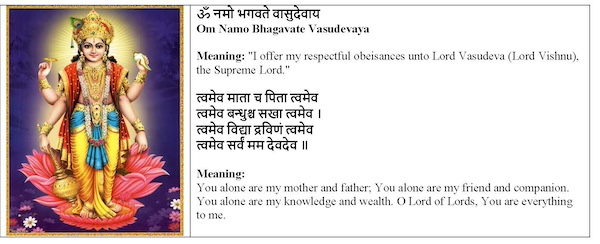
You may also access this article through our web-site http://www.lokvani.com/