Beyond Survival: Safety, Systems & Dignity
Saheli's 2026 Conference Brings Together Leaders, Advocates, and Changemakers
On June 4, Babson College became a space for powerful conversations, bold ideas, and renewed commitment as Saheli hosted its inaugural conference, Beyond Survival: Safety, Systems & Dignity. Bringing together advocates, legal professionals, healthcare providers, policymakers, nonprofit leaders, survivors, and community members, the conference created an opportunity to examine domestic violence through multiple lenses while exploring how systems can better protect, empower, and support survivors.
The day began with an inspiring welcome from Saheli's Executive Director, Deepali Gulati, whose opening remarks reflected on Saheli's journey and reaffirmed the organization's commitment to creating spaces where meaningful dialogue can lead to lasting change.
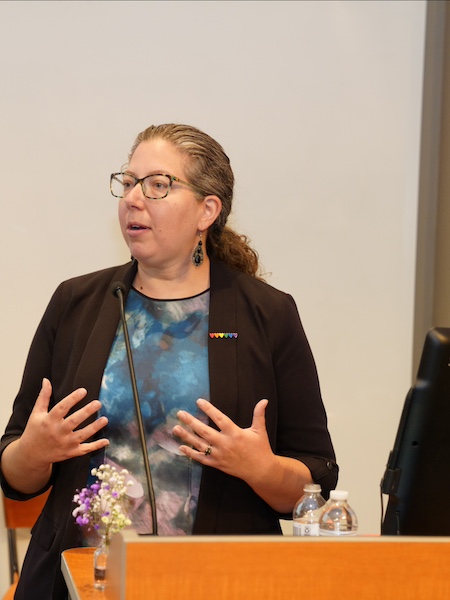
Representative Natalie Higgins followed with a powerful keynote that energized the room and established the tone for the conference.
Building Systems That Empower & Prevent
Representative Natalie Higgins urged attendees to move beyond crisis response and envision systems built for safety and prevention. She emphasized survivor-centered policymaking, stronger community partnerships, and the need to address domestic violence through long-term systemic change not just immediate intervention.
Her message was clear: lasting change requires collaboration and a shared commitment to supporting survivors at every stage of their journey.
The Gap Between Safe and Stable
The first panel of the day explored one of the most pressing questions facing survivors today: What happens after immediate safety is achieved?
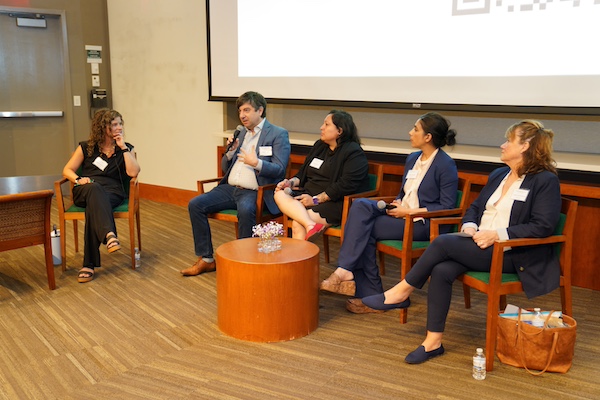
Panelists examined the barriers survivors continue to face in securing stable housing, navigating complex legal systems, accessing economic opportunities, and rebuilding their lives. The discussion highlighted how safety extends far beyond leaving an abusive relationship, it requires coordinated systems that address housing, employment, childcare, healthcare, and financial independence.
Moderated by Jessica Teperow, the panel featured Mick Hirsch (Executive Director, DOVE, Inc.), Vilma Uribe (Executive Director, Governor's Council to Address Sexual Assault, Domestic Violence, Human Trafficking), Noor Kazmi (Saheli Lawyer), and Linda Moschner (Detective, Waltham Police Department). Together, they encouraged service providers and policymakers to think more holistically about survivor support, emphasizing that cross-sector collaboration is essential for long-term stability.
Domestic Violence Through a Cultural Lens
The afternoon resumed with a thought-provoking conversation examining domestic violence through cultural, immigrant, and community perspectives.
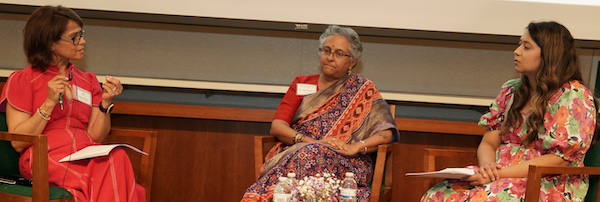
Panelists explored the challenges survivors face around family expectations, cultural stigma, immigration concerns, language barriers, and community pressures. The discussion reinforced that culturally responsive services are essential to ensuring equitable access to safety and healing.
Rather than one-size-fits-all solutions, attendees were encouraged to embrace cultural humility, listen deeply, and build services grounded in lived experience.
Moderated by Deepali Gulati (Executive Director, Saheli), the panel featured Dr. Kalyani Krishnan (Therapeutic Tutor / Psychoeducational Counselor) and Rehana Rahman (Manager, Domestic Violence/Sexual Assault Program, Newton-Wellesley Hospital). Together, they deepened the conversation on culture, identity, and survivor-centered care.
A Moment of Reflection Through Music
Amid a day filled with important conversations, attendees were treated to a beautiful live saxophone performance that offered a moment to pause and reflect.
The music provided more than entertainment, it created space for processing, healing, and connection.
Technology, Artificial Intelligence & Domestic Violence
One of the conference's most forward-looking sessions explored the rapidly evolving intersection of technology, artificial intelligence, and domestic violence.
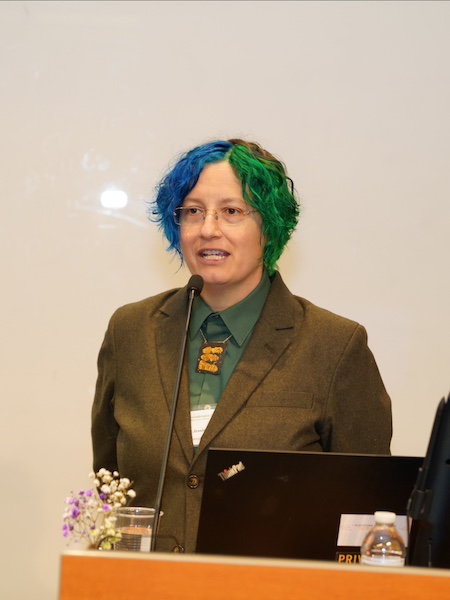
The Speaker- Jessie Lowell discussed technology-abuse, online harassment, privacy concerns, and the ways emerging technologies, including AI can both empower and endanger survivors.
Participants left with a deeper understanding of the importance of digital safety planning and the responsibility of professionals to adapt alongside emerging technologies.
Throughout the conference, one message remained constant: supporting survivors requires more than responding to violence, it requires transforming the systems that shape their lives.
This conference would not have been possible without the extraordinary leadership and dedication of many individuals. We extend our heartfelt gratitude to Deepali Gulati for her vision and unwavering commitment to creating a conference that inspired learning and collaboration. We are equally thankful to Neelam Wali for her consistent guidance, steadfast support, and thoughtful leadership throughout the planning process. A special thank you goes to Anjali Wali (Senior Director, Babson Alumni Engagement), whose tireless work behind the scenes ensured that every detail came together seamlessly.
Saheli is also deeply grateful to our speakers, moderators, sponsors, volunteers, community partners, and every attendee whose participation made this conference such a meaningful success. Your engagement, expertise, and shared commitment transformed this gathering into a powerful catalyst for dialogue and collaboration.