
Contribute
| Cystic Fibrosis Through The Lens Of Ayurveda: An Ancient Understanding Of A Modern Lung Disorder |
Dr. Indrajeet Tyagi and Dr. Iranna Hirapur
06/18/2026
Respiratory illness is not new to human civilization. Long before modern medicine identified conditions like Cystic Fibrosis, ancient Indian physicians described disorders marked by excessive mucus accumulation, breathlessness, and impaired vitality. Today, what we recognize as Cystic Fibrosis finds striking parallels in Ayurvedic descriptions of Kapha-dominant disorders of the Pranavaha Srotas (respiratory channels). While Ayurveda does not name “Cystic Fibrosis” explicitly, its principles offer a deep, functional understanding of the disease process and its systemic impact. What is the Ayurvedic understanding of the disease? In Ayurveda, health depends on the balance of the three doshas—Vata, Pitta, and Kapha. Cystic Fibrosis can be interpreted primarily as a disorder of vitiated Kapha dosha, combined with obstruction in bodily channels (Srotorodha). The classical texts describe that when Kapha becomes excessive and thick, it leads to blockage of respiratory passages, impaired digestion, and accumulation of sticky secretions, closely resembling the pathology observed in Cystic Fibrosis. The Charaka Samhita (Sutra Sthana 28/7) explains: “Srotas when obstructed lead to improper nourishment and disease manifestation.” This principle aligns with how thick mucus in Cystic Fibrosis blocks airflow and digestion pathways. What are the causes/Nidana in Ayurvedic Terms? Ayurveda attributes such conditions to a combination of hereditary factors (Beeja Dosha) and imbalances arising from lifestyle and internal dysfunction. 1. Genetic Basis (Beeja Dushti) 2. Kapha Aggravation 3. Impaired Digestive Fire (Agni Mandya) Ancient texts acknowledge hereditary disorders. The Charaka Samhita (Sharira Sthana 3/17) states: “Defects in the seed (Beeja) may lead to defects in the offspring.” This mirrors the genetic basis of Cystic Fibrosis, where defective genes are passed from both parents. Excess Kapha—described as heavy, sticky, and cold—can accumulate due to: Poor digestion (Mandagni) Excess intake of heavy, oily, or mucus-forming foods Sedentary lifestyle The Ashtanga Hridaya (Sutra Sthana 12) notes: “Kapha when aggravated increases sliminess (Picchila guna), leading to obstruction.” Weakened digestion leads to formation of Ama (toxins), which further block channels and worsens disease. This explains the digestive difficulties seen in patients. What are the risk factors as per Ayurvedic perspective? Ayurveda emphasizes that disease manifests when internal susceptibility meets external imbalance. Certain individuals are more vulnerable based on constitution and inherited tendencies. 1)Kapha Prakriti individuals (naturally prone to mucus conditions), 2) Family history (genetic predisposition / Beeja Dushti), 3) Childhood vulnerability, as Kapha is dominant in early life 4)Weak digestive strength (Agni) What are the complications /Vyadhi Vikas? If untreated, the condition progresses due to ongoing Kapha accumulation and Srotas obstruction. 1) Respiratory Complications: The Charaka Samhita describes conditions like Kasa (chronic cough) and Shwasa (breathlessness), which worsen with Kapha dominance. Over time, breathing becomes labored and vitality declines. 2) Digestive Impairment: Blocked channels interfere with nutrient transport, leading to poor nourishment (Dhatu Kshaya). This reflects the malnutrition and poor growth seen in patients. 3) Systemic Weakness: As tissues fail to receive proper nutrition, immunity weakens (Ojas depletion), strength declines, and chronic illness sets in When to consult a Vaidya? Ayurveda places strong emphasis on early recognition and timely intervention. A Vaidya should be consulted when symptoms indicate persistent imbalance rather than occasional illness. When you have warning signs such as 1) chronic cough with thick phlegm, 2) recurrent breathing difficulty, 3) poor growth or weakness in children, 4) digestive disturbances despite normal diet When should one seek urgent attention? If breathlessness becomes severe, fever persists, or weakness increases rapidly, Ayurvedic consultation should not be delayed. The Charaka Samhita (Sutra Sthana 9/4) advises: “Disease in its early stage is easy to cure; if neglected, it becomes difficult.” Please describe holistic view of Ayurveda What makes Ayurveda unique is its system-wide understanding. Rather than viewing Cystic Fibrosis as only a lung condition, it recognizes it as a disorder involving: 1) respiratory channels 2) digestive fire (Agni), 3) tissue nourishment (Dhatus), 4) vital energy (Ojas) Cystic Fibrosis, though named and defined by modern medicine, reflects disease processes that Ayurveda has long described—Kapha imbalance, channel obstruction, and weakened digestion. The ancient texts remind us that chronic disease often begins subtly, with imbalance that grows over time. Understanding this perspective opens the door to integrative awareness, where early recognition, lifestyle discipline, and holistic care can play a supportive role in managing such complex conditions.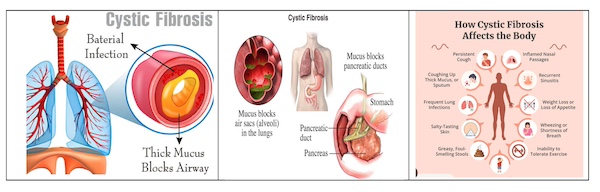
You may also access this article through our web-site http://www.lokvani.com/
