Contribute
| Mapping The Cosmic And The Classical: Suman Adisesh’s 'Adbhutam' |
Pallavi Nagesha
06/18/2026
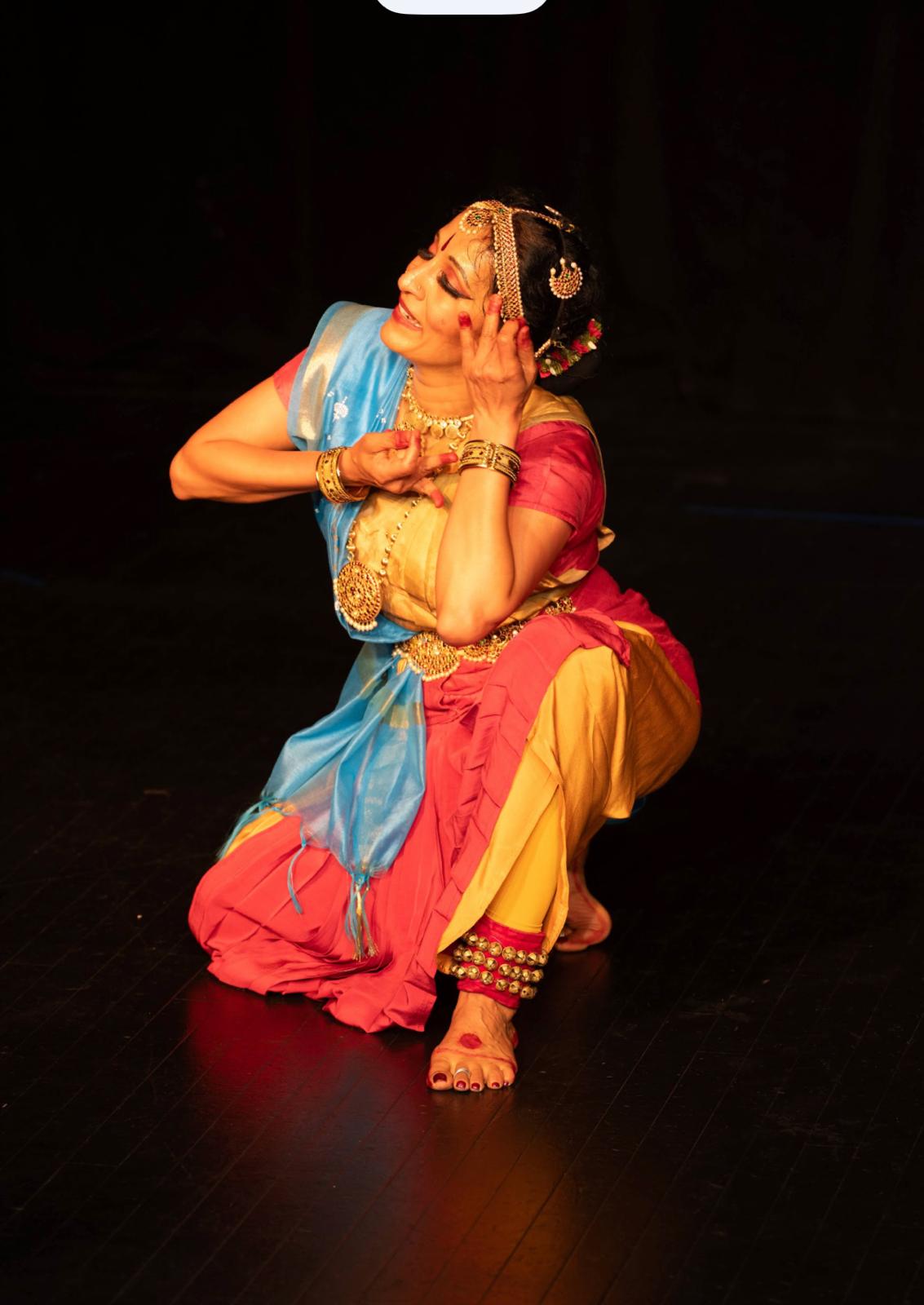
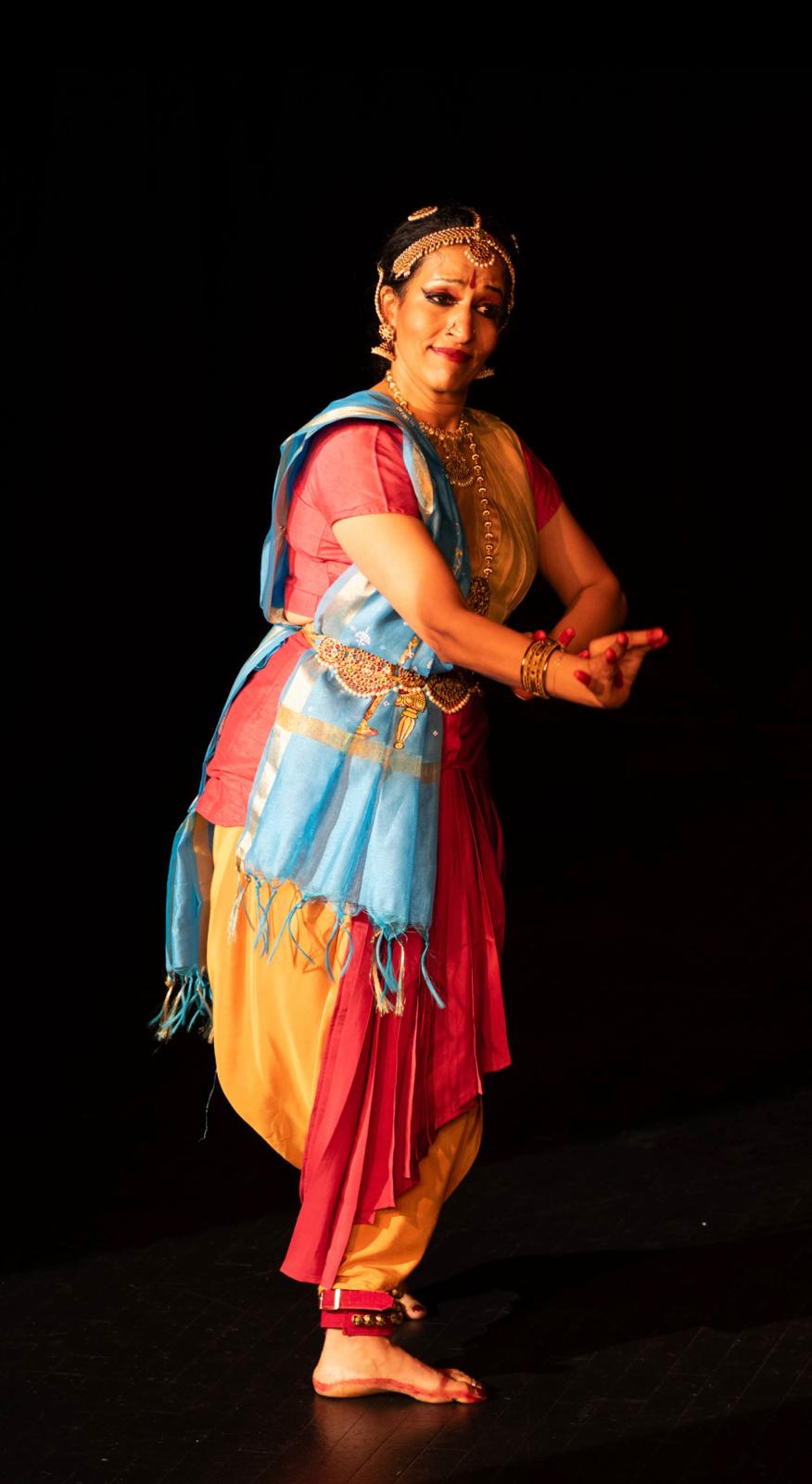
What happens when classical dance theater steps into the realm of cosmic wonder? In her latest solo choreography, Adbhutam, presented at the Boston Center for the Arts Black Box Theatre, dancer Suman Adisesh ventured into the vast expanse where physical science pauses and transcendent experience begins. Mentored by Guru Padmini Ravi, the production was an earnest testament to Adisesh’s rigorous physical conditioning and deep-seated commitment to her craft, filling the intimate space with an infectious, high-energy dynamism. The performance anchor was undoubtedly Adisesh’s exceptional command of nritta (pure dance). Her technical execution showcased an artist deeply invested in physical endurance and structural form. Throughout the evening—and most notably during an extensive, physically demanding Pada Varnam—her lines remained remarkably crisp, her stance beautifully grounded, and her rhythmic stamina unwavering. For this reviewer, watching Adisesh's spatial geometry felt like looking into a familiar artistic mirror; as my guru behen under Guru Padmini Ravi, her choreographic blueprints, structural pathways, and movement vocabulary beautifully paid homage to our shared lineage, keeping a beloved traditional framework alive in the diaspora. Within this framework, several narrative high points stood out: · Fluid Storytelling Transitions: The production’s opening movements moved cleanly into a vivid, striking portrayal of Vasudeva wading through the turbulent currents of the Yamuna River with the infant Krishna. · Warmth in Characterization: A delightful sense of human warmth defined the Yashodha Stuti. The lighthearted, intimate interactions between mother and child—including an engaging touch of creative liberty in the dirt-eating vignette—brought a relatable charm to the divine lore. · Dramatic Scale: The program reached an impressive dramatic arc during the Bheeshma Stuti, sweeping the audience out of quiet contemplation and onto the roaring battleground of Kurukshetra as it tracked the shift from the fallen warrior to Arjuna's chariot. While the evening was a triumph of physical vitality, a production of this conceptual scope naturally offers areas for subtle staging refinements to fully unlock its emotional undercurrents. The program’s thematic framing set up a grand juxtaposition with physical science and cosmic motion. However, because the performance bloomed so organically as a self-contained classical epic narrative, this explicit link to modern science occasionally felt distant. The inherent spiritual and emotional weight of the Krishna narrative proved strong enough to hold the stage completely on its own merits. A few technical adjustments within the theatrical space would also give the storytelling more room to breathe: · Adapting Gaze to Venue Topography: The Black Box layout places the audience at a higher vantage point than the stage floor. Because of this specific sightline, some of Adisesh’s internal, delicate expressions—such as the quiet reverence of the Garbha Stuthi or Yashoda's absolute shock upon seeing the universe—were directed slightly downward, losing some visibility. Elevating the chin and projecting her abhinaya (expressive storytelling) slightly higher and further outward would seamlessly connect her performance to every row in the theater. · Calibrating the Canvas of Light: The lighting design at times created unintended obstacles. Sharp spotlights and intersecting cross-lights occasionally forced the dancer to consciously chase her marks to avoid casting crucial thematic gestures—such as the transition into the prison cell—into shadow. Transitioning to a smoother, more centered lighting palette would allow Adisesh to focus entirely on her characters without technical interruption. With Adbhutam, Suman Adisesh proved she possesses a marvelous physical instrument and a rock-solid foundation of technique and heritage. Her stamina and crisp nritta are attributes any dancer would deeply respect. By refining the external lighting, letting her narrative choices settle, and intentionally lifting her expressive gaze to meet the room's topography, Adisesh has everything she needs to elevate an already strong technical presentation into an unforgettable, immersive experience. Reviewer Byline: Pallavi Nagesha is a New England-based classical dancer, educator, and arts organizer. She serves as the curator and director of the LearnQuest Dance Festival in Boston, a major annual showcase dedicated to elevating Indian classical dance through professional-grade production and cross-generational collaboration. Mapping the Cosmic and the Classical: Suman Adisesh’s 'Adbhutam' in Review
Lineage and the Architecture of Pure Dance
Refining the Spatial and Conceptual Sightlines
The Verdict
You may also access this article through our web-site http://www.lokvani.com/