
Contribute
| Know The Significance Of Apara Ekadashi |
Pt Jayanarayan Badal
06/05/2026
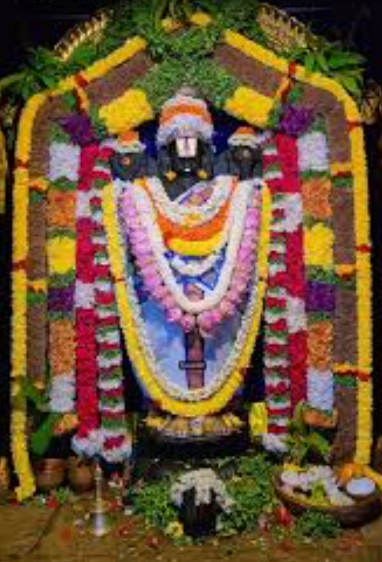
On June 11, 2026, devotees across India and in Hindu communities worldwide will observe Apara Ekadashi/Achala Ekadashi, one of the most revered fasting days dedicated to Lord Vishnu, the protector of the universe. Temples dedicated to Lord Vishnu across India—including Tirupati, Udupi, and Ranganathaswamy Temple—will witness special prayers and gatherings. Falling during the Krishna Paksha (waning phase of the moon) in the Hindu month of Jyeshtha, Apara Ekadashi is regarded as especially powerful for the removal of past sins and the attainment of spiritual merit. What is spiritual significance of Apara Ekadashi? The term “Apara” translates to “limitless” or “boundless,” reflecting the belief that the merits gained from observing this Ekadashi are beyond measure. According to the Brahmanda Purana, fasting and performing virtuous deeds on this day is said to absolve even the gravest sins. It is often compared to performing numerous pilgrimages, charitable acts, and sacred rituals. As per Scriptural narratives Apara Ekadashi helps individuals overcome guilt, cleanse the soul, and begin a morally renewed life. Devotees believe that sincere observance can pave the way toward moksha (liberation from the cycle of birth and death). Please describe the legend behind Apara Ekadashi According to ancient texts, a story was shared by Lord Krishna with King Yudhishthira, wherein he explains the greatness of this Ekadashi. The moral message of the story was that a sinful king or warrior who sincerely followed the fast and worshipped Lord Vishnu was eventually absolved of all wrongdoings and attained divine grace. This story emphasizes a central theme: no one is beyond redemption, and through devotion and discipline, transformation is possible. Understanding the difference between Apara vs Para Ekadashi: In Hindu spiritual terminology, the words “Apara” and “Para” carry deep philosophical meanings: Apara Ekadashi = cleansing of the past (karma) Para Ekadashi = Para (higher Ekadashi ideal) = transcendence beyond karma Apara (अपरा) refers to the material or worldly realm—actions, deeds, and karmic consequences tied to human life · Observed in Jyeshtha Krishna Paksha (May–June) · Focus: Removal of sins, karmic purification · Associated with repentance, moral renewal, and forgiveness · Benefits are often described as removal of past negative karma Para (परा) refers to the supreme, transcendental reality—the divine, eternal truth beyond material existence. · “Para Ekadashi” is not a specific widely observed named Ekadashi in the calendar but rather a conceptual spiritual state · Represents higher consciousness, complete surrender to Lord Vishnu, and liberation (moksha) What are the benefits of fasting on Apara Ekadashi? Apara Ekadashi is considered one of the most powerful vratas for spiritual purification. The benefits are described in scriptures like the Brahmanda Purana and teachings of Lord Krishna. 1. Karmic Cleansing and Redemption happens due to release of even serious sins when observed with sincerity and offers an opportunity for inner correction and ethical renewal. 2. Spiritual Growth occurs due to devotion (bhakti) toward Lord Vishnu and enhances mental discipline, focus, and spiritual awareness 3. Attainment of Punya (Merit) follows performing Ashwamedha Yajna, bathing in sacred rivers like the Ganga, giving charities 4. Pathway to Moksha arises by regular observance that is believed to help break the cycle of birth and rebirth and encourages detachment from material excess 5. Psychological and Ethical Reset encourages: 1) Self-reflection, 2) Repentance for mistakes, 3) Commitment to righteous living 6. Health Benefits (Modern Perspective) of Fasting may: 1) Improve digestion and metabolism, 2) Promote detoxification, 2) Enhance mental clarity Describe celebration of Apara Ekadashi in South India In South India, Apara Ekadashi is observed with deep devotion, temple-centered rituals like Archana and Abhishekam, Alankara (decoration of deity), and recitation of Vishnu Sahasranama, Bhagavad Gita, chanting Divya Prabandham (Tamil Vaishnavite hymns), singing bhajans and kirtans followed by charities and community feeding with regional traditions, particularly in states like Karnataka, Tamil Nadu, Andhra Pradesh, and Telangana. Apara Ekadashi is not merely a rituality, it is a discipline combining devotion, simplicity, and social responsibility. The emphasis is on living consciously, correcting one’s path, and aligning with dharma (righteousness). What is the Cultural relevance of Apara Ekadashi in Modern Times? While deeply spiritual, Apara Ekadashi also carries a broader message that echoes today: ethical living, accountability, and self-reflection. In an increasingly fast-paced and stressful world, such observances provide an opportunity to pause, detox—not just physically, but emotionally and morally—and reconnect with one’s values. The emphasis on charity and compassion also highlights social responsibility, reminding individuals to contribute meaningfully to society. Explain health perspective of Fasting. From a health standpoint, fasting—when practiced mindfully—can offer benefits such as detoxification, improved metabolism, and mental clarity. However, individuals with diabetes, chronic illness, or pregnancy should consult a physician before undertaking strict fasting. Hydration should be maintained, especially during summer months. Light, sattvic foods such as fruits, nuts, and milk can provide necessary nourishment. Apara Ekadashi stands as a powerful spiritual reminder that no mistake is beyond correction. And redemption is always within reach. Through devotion, discipline, and sincere intent, one can overcome even the deepest moral struggles—embracing a path of righteousness, peace, and divine grace. Its observance beautifully blends scriptural tradition, temple culture, and ethical living, making it deeply relevant even in modern times.


You may also access this article through our web-site http://www.lokvani.com/
