Contribute
| CIFAs Surabhi : An Yearly Round Up |
Suryaa Ramaswamy
05/15/2026
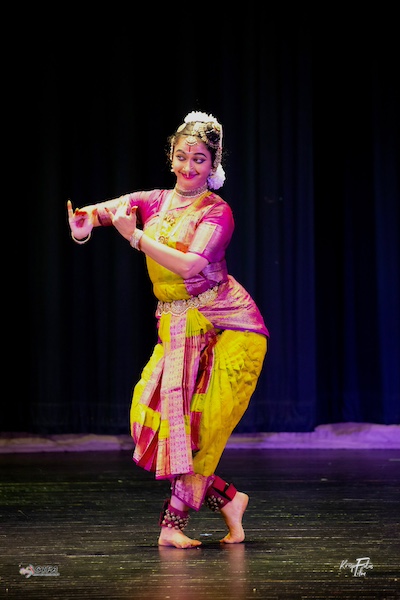
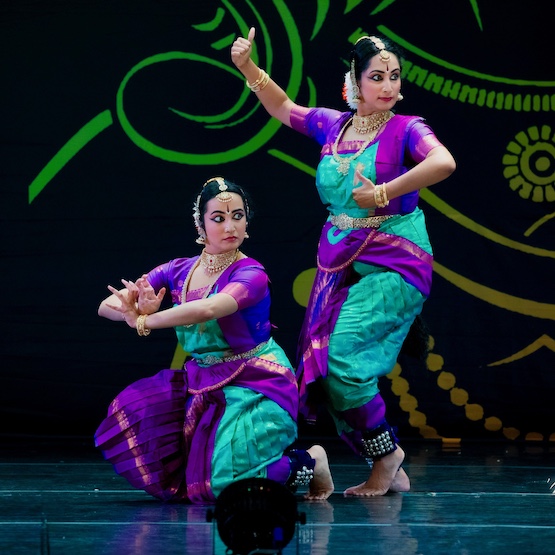
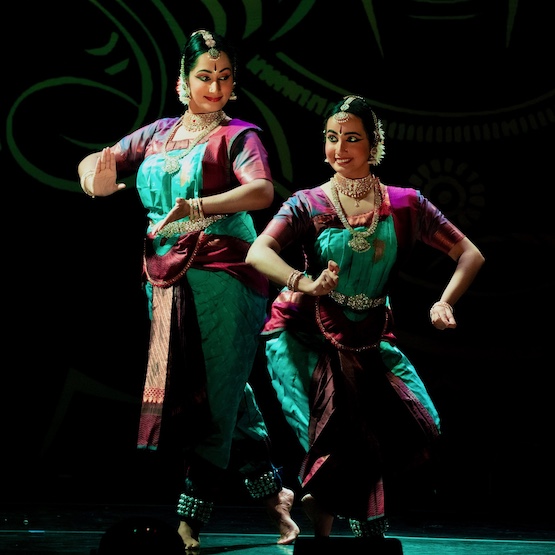
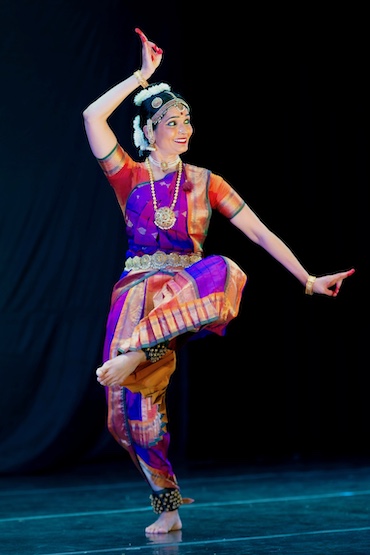
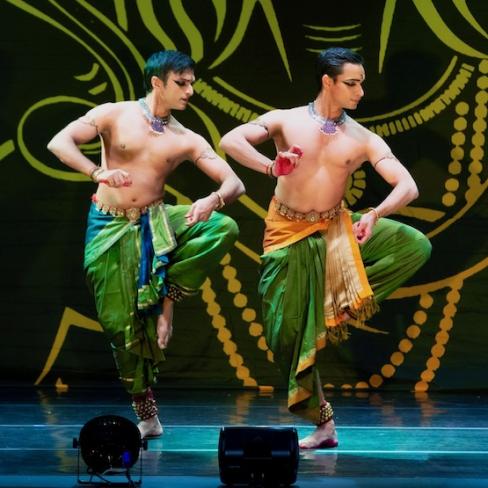
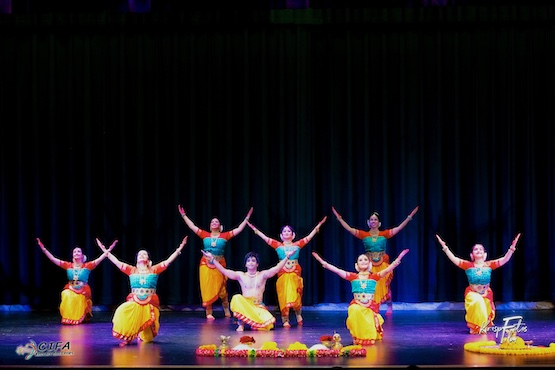
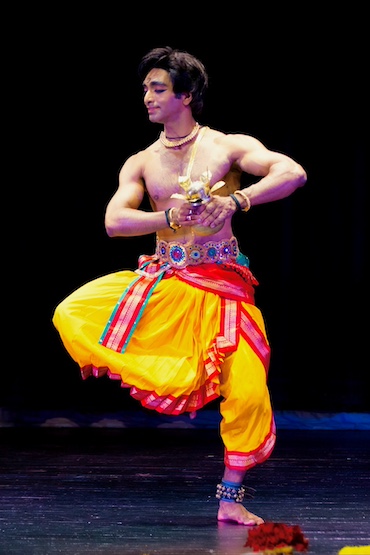
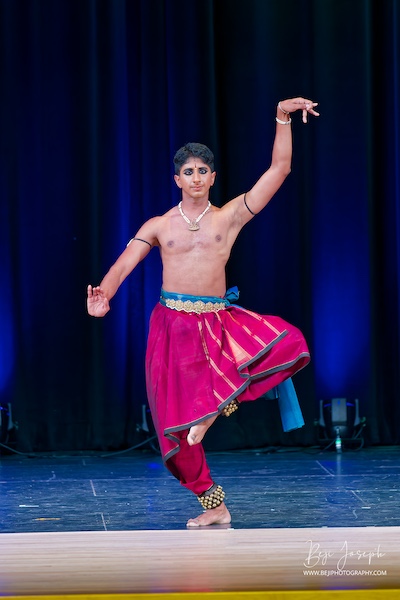
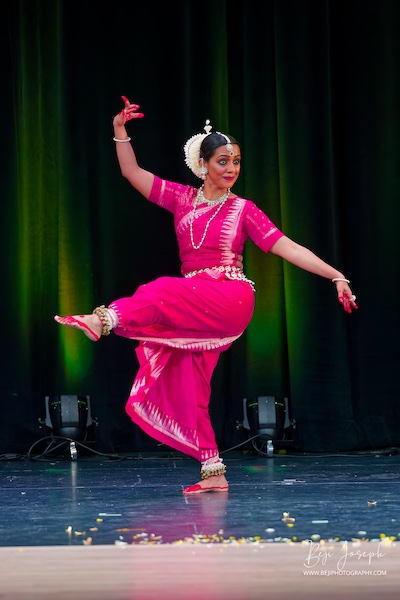
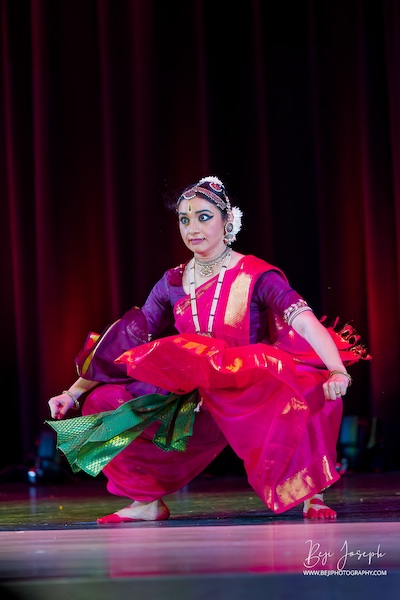
CIFA’s Surabhi : An yearly round up By Suryaa Ramaswamy When the Council of Indian Fine Arts announced its Surabhi series (2025-2026), I was instantly transported back to the 90s. The name immediately sparked memories of the iconic Sunday night show on Doordarshan that I watched faithfully with my paati. Just as that program brought India’s diverse traditions and culture into our living rooms, it feels deeply fitting that this series now carries that same spirit forward - honoring our cultural richness right here in New England. From the moment it was announced, it was clear that this was far more than a set of performances. The Council of Indian Fine Arts signaled a larger vision: to nurture local artists, create meaningful platforms, and bring world-class performers into our community. With Surabhi, they fulfilled that promise beautifully. Across the season, New England audiences experienced evenings that blended homegrown talent with internationally acclaimed artists, creating an atmosphere reminiscent of Margazhi days in Chennai. The opening evening on August 3rd began with Soumya Rajaram, whose poised recital radiated grace and subtlety. Her thoughtfully chosen repertoire revealed both technical command and years of training at the premier institution of Kalakshetra. She was followed by the local sister duo Nilanjana Nambiar and Madhumita Nambiar, disciples of Guru Sapna Krishnan of the Lasya School of Dance. Their synchronized duet balanced tradition with contemporary relevance, addressing the cause of river pollution with maturity and conviction. It was yet another reminder of the remarkable talents being nurtured in this country. The evening culminated in the electrifying performance by Parshwanath Upadhye and Adithya PV. Their choreography blended virtuosity, wit, candor, and emotional depth, with demanding nritta passages executed with such ease that the audience was left breathless. What sets Parshwanath apart is his effortless on-stage magnetism - an innate charisma that draws the audience instantly into his world. This commanding presence, combined with his humor and candor, makes his storytelling feel alive and deeply engaging. Few artists in Bharatanatyam today weave humor so naturally into performance, yet with him, even a glance or gesture can spark roars of spontaneous laughter across the hall. In a novel interpretation of Baaro Krishnayya, the moment where the devotee wonders whether the experience was a dream or reality is left deliberately open-ended, yet it lands exactly as intended - tugging at your heart. To evoke such layered responses while maintaining such apparent ease is a rare mastery. It was one of those performances that stayed with the audience long after the curtains came down. Day 2 of Surabhi, on September 14th, opened with Naibedya, led by Kohal Das, a local talent who balances a professional career as a scientist with his deep commitment to dance across multiple forms. Continuing the artistic lineage of his father, Chira Ranjan Das, he carries forward a legacy while presenting neo-classical dance in the tradition of Uday Shankar. His team’s work reflected a thoughtful blend of innovation and tradition, showcasing the confidence, curiosity, and artistic range of a younger generation. The stage was then graced by India’s Bharatanatyam youth icon, Harinie Jeevitha - an artist for whom audiences throng every stage she performs on, wherever she goes. Every performance of hers feels less like a recital and more like a sacred journey. From her very first step, her footwork was immaculate, her movements picture perfect, and her expressions deeply refined. But beyond all the technical brilliance, Harinie possesses the rare gift of transporting her audiences into a realm of bhakti, such that even the most skeptical or detached viewer feels something quietly stir within. Her deeply internalized portrayal of the 10-day Brahmotsavam at the Kanchipuram Varadaraja Perumal Temple unfolded with striking authenticity, capturing every nuance. Whether it was the majesty of the Garuda Sevai or the vitality of the ‘kulukkal’ of Perumal during the utsavam, it never felt enacted but rather lived. There were instances when she paused and gazed across the auditorium, her eyes fixed on a point beyond the visible - suggesting a presence that only she could perceive. In those instances, I found myself instinctively turning to look back, almost searching for what she was seeing. For a fleeting second, I wondered if she was indeed beholding something imperceptible to all others. As her performance drew to a close, her tear-filled eyes glistened and the audience felt that emotion ripple through them - a sheer testament that what unfolded was not merely art, but art in its highest form: a profoundly spiritual experience. The latest and most recently concluded chapter of the Surabhi series on April 11th featured Vivek Ramanan, Priya Bangal, and Meera Sreenarayanan. The multi-talented Vivek Ramanan, of the iconic Swalla Jathi fame, brought choreographies of dancing stalwart Priyadarsini Govind to life with rhythmic precision and interpretive depth. The evening was further elevated as Priya Bangal added a contrasting dimension through Odissi, offering timeless stories of Radha and Krishna with effortless grace and movement. And then came the highlight of the evening. There are dancers who embody technical perfection. There are dancers who mesmerize with aesthetic grace. And then there are artists whose conceptual brilliance leaves an audience spellbound. Meera belongs to that rare league that effortlessly encompasses all three. Every time she steps onto the stage, she seems to knock it straight out of the park. With her, an alarippu became the waves of an ocean awaiting the churning of nectar by devas and asuras. A thillana transformed into the lived journey of a bee that had witnessed Lakshmi’s life and now dissolved into ecstatic joy and dance. Her conceptual approach to her production Harini is compelling. Instead of relying on familiar stories or predictable narratives, she has chosen themes that deepen each of the navarasas with thoughtfulness. In one especially powerful sequence, Goddess Lakshmi stands firm and visibly dismayed when Lord Vishnu questions her for entering a chandali’s home. Undeterred that it is the Supreme Lord himself who challenges her, she stands by her conviction and is prepared to walk away rather than abandon her belief. With piercing clarity, she asks whether a chandali is any less a devotee than one of higher standing, and whether devotion is not the same in every heart. In that moment, she shatters the very logic of hierarchy, affirming that bhakti transcends all boundaries. In contrast, her portrayal of shringara through the union of Lakshmi and Vishnu unfolds with warmth, beauty, and emotional fullness. Yet what leaves the deepest impression is her complete surrender to the art form. She dances with a sense of abandon. There is no separation - she simply lives the performance as it unfolds, drawing everyone present into that shared space of experience. It would be an understatement to say that watching her perform is an absolute joy. What made Surabhi truly special was not only the caliber of performers, but the community it fostered - teachers, students, families, and rasikas sharing a collective cultural experience. Surabhi became CIFA’s statement of intent, and they delivered with conviction, uplifting local talent while offering access to world-class artists. My hope, as a sincere rasika, is that our community continues to grow in its support for an organization bringing India’s finest artists to New England, while giving the next generation the invaluable opportunity to witness such beauty firsthand. If this is only year one, I cannot wait to see what the upcoming editions of CIFA’s Surabhi will bring. About CIFA More details about the organization and their upcoming events, programs and volunteering opportunities can be found at www.cifausa.org
You may also access this article through our web-site http://www.lokvani.com/

.jpg)