
Contribute
| Pneumonia: The Silent Lung Infection Indian Must Not Ignore |
Dr. Indrajeet Tyagi and Dr. Iranna Hirapur
05/14/2026
As India continues to battle seasonal infections, air pollution, and rising respiratory illnesses, pneumonia remains one of the most underestimated yet dangerous diseases affecting children, adults, and the elderly alike. Often mistaken for a “simple chest infection” or severe cold, pneumonia can rapidly progress into a life-threatening condition if not diagnosed and treated early. Pneumonia is an infection that inflames the air sacs of the lungs, causing them to fill with fluid or pus. This leads to symptoms such as fever, cough, chills, chest pain, breathlessness, and extreme weakness. In severe cases, patients struggle for oxygen, requiring hospitalization or intensive care support. According to global health estimates, pneumonia remains among the leading infectious causes of death worldwide, especially in children under five years of age and older adults. India faces unique challenges that increase pneumonia risk. Overcrowding, smoking, indoor cooking smoke, rising air pollution, malnutrition, diabetes, and delayed healthcare access all contribute to respiratory vulnerability. During winter and monsoon seasons, hospitals often report a surge in pneumonia-related admissions. Elderly individuals with heart disease, chronic lung disease, or weakened immunity are particularly vulnerable. Modern medicine, also known as allopathic medicine, has dramatically improved pneumonia survival rates through early diagnosis and effective treatment. Bacterial pneumonia is commonly treated with antibiotics such as Amoxicillin, Azithromycin, and Ceftriaxone. Patients may also require fever medications, oxygen support, nebulization, hydration, and rest. Viral pneumonias, including influenza-related infections, may sometimes be treated with antiviral medications like Oseltamivir. Physicians emphasize that self-medication or incomplete antibiotic courses can worsen infection and contribute to antibiotic resistance. Alongside modern medicine, many Indian families continue to use traditional Ayurvedic practices to support recovery and improve respiratory health. Ayurveda views respiratory illness as an imbalance involving excess Kapha and weakened immunity. Herbal remedies such as Tulsi, Turmeric, Ginger, and Ashwagandha are widely used in Indian households. Warm kadha, turmeric milk, steam inhalation, and light nutritious diets are believed to help soothe symptoms and support recovery. However, healthcare experts strongly caution that Ayurvedic remedies should complement—not replace—evidence-based medical treatment, especially in moderate or severe pneumonia. Preventive Measures: The Best Defense Against Pneumonia Health experts stress that prevention is far easier and safer than treatment. Several simple yet powerful measures can significantly reduce the risk of pneumonia: · Vaccination: Timely immunization is one of the most effective preventive tools. The Pneumococcal vaccine and Influenza vaccine help protect against severe respiratory infections and complications. · Hand Hygiene: Frequent handwashing with soap and water reduces the spread of bacteria and viruses that cause respiratory illnesses. · Avoid Smoking: Smoking damages lung tissue and weakens the body’s natural defense mechanisms, increasing susceptibility to infections. · Improve Indoor Air Quality: Proper ventilation and reducing exposure to biomass smoke from cooking fires can protect lung health, particularly in rural households. · Balanced Nutrition: A healthy diet rich in fruits, vegetables, proteins, and vitamins strengthens immunity and helps the body fight infections. · Adequate Rest and Hydration: Proper sleep and hydration maintain overall immune function and respiratory health. · Use Masks During High Pollution or Illness: Wearing masks in crowded places or during periods of severe pollution may reduce exposure to infectious droplets and harmful particles. · Control Chronic Diseases: Proper management of diabetes, asthma, heart disease, and chronic lung disorders lowers the risk of severe pneumonia. · Seek Early Medical Care: Persistent fever, worsening cough, breathing difficulty, or chest pain should never be ignored. Early diagnosis greatly improves recovery outcomes. Herbal Medicine Traditional/Supportive Function in Respiratory Health Common Forms Used Tulsi Supports immunity, helps relieve cough and congestion, may soothe respiratory irritation Tea, kadha, fresh leaves Turmeric Anti-inflammatory and antioxidant support; may help reduce throat and airway inflammation Turmeric milk, powder, capsules Ginger Helps soothe throat irritation, supports mucus clearance, warming effect on airways Ginger tea, decoction, fresh root Garlic Traditionally valued for antimicrobial and immune-supportive properties Raw garlic, soups, capsules Ashwagandha May support recovery, energy, and immune resilience after illness Powder, capsules, herbal milk Eucalyptus Steam vapors may help ease nasal congestion and breathing discomfort Steam inhalation, essential oil Honey Traditionally used to soothe cough and throat irritation Mixed with warm water, ginger, or turmeric These herbal remedies are supportive measures and should not replace professional medical treatment for pneumonia. Doctors warn that certain symptoms require immediate medical attention. Persistent high fever, difficulty breathing, bluish lips, chest pain, confusion, or low oxygen levels can indicate severe pneumonia and should never be ignored. Delayed treatment can lead to complications such as respiratory failure, sepsis, or long-term lung damage. As India advances in healthcare and digital medicine, awareness remains equally important. Pneumonia is not merely a seasonal cough—it is a serious disease that demands timely recognition, proper treatment, and public education. An integrated approach combining scientific medical care, preventive vaccination, healthy living, and supportive traditional wellness practices may help reduce the burden of this silent yet deadly lung infection across the nation.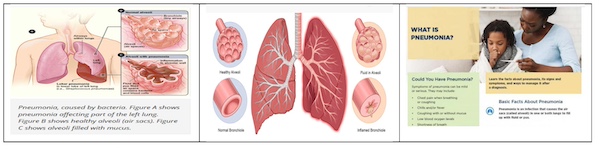
You may also access this article through our web-site http://www.lokvani.com/
